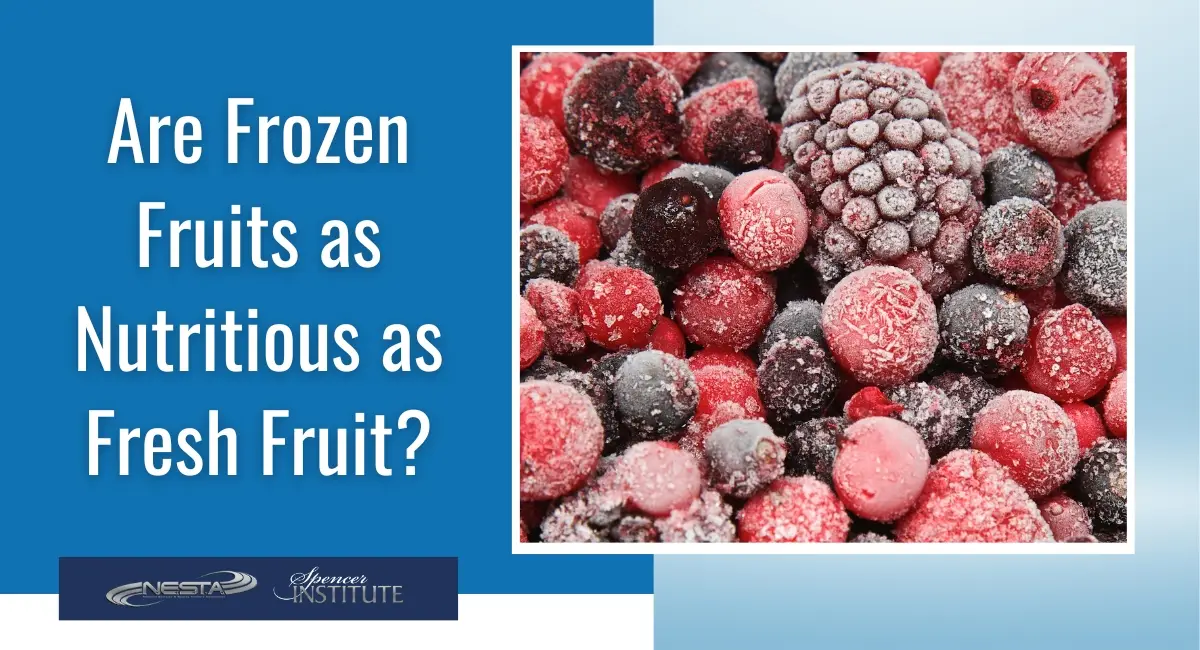
The Nutritional Truths About Frozen Fruits and Berries
Fresh fruits and berries have long been celebrated as the pinnacle of a healthy diet, providing essential nutrients and antioxidants. However, the prevailing belief that fresh is always superior has overshadowed the benefits of frozen alternatives. In reality, frozen fruits and berries can offer numerous advantages, including the preservation of essential nutrients and the convenience of a nutrient-dense snack.
In this report, we will dispel the myth surrounding frozen fruits, explore their advantages, and delve into various creative ways to enjoy them. From optimal freezing techniques to delicious snack ideas, we will unlock the nutritional potential of frozen fruits and berries.
Is Frozen Fruit as Nutritious as Fresh Fruit?
The Nutrient Myth: A commonly held misconception is that fresh fruits and berries are nutritionally superior to their frozen counterparts. While fresh produce does contain a wealth of beneficial nutrients, the freezing process can effectively preserve the nutritional value of fruits. By quickly freezing them at their peak ripeness, essential vitamins, minerals, and antioxidants are locked in, ensuring their availability and potency when consumed.
Preserving Nutrient Density: Freezing fruits and berries at their peak ripeness is key to preserving their nutrient density. Fresh produce gradually loses some of its nutrients due to exposure to light, air, and temperature changes. In contrast, frozen fruits are harvested at their peak and immediately frozen, effectively capturing their nutrients at optimal levels. This preservation method guarantees that the fruits retain their vitamins, minerals, and antioxidants, offering a convenient and nutrient-dense snack option.
Which Fruits Freeze Best?
Certain fruits and berries are particularly well-suited for freezing, maintaining their texture, flavor, and nutritional value. Here are some examples of fruits that freeze exceptionally well:
- Berries: Blueberries, strawberries, raspberries, and blackberries are excellent choices for freezing. They retain their shape, flavor, and vibrant color, making them perfect for snacking, baking, or adding to smoothies.
- Citrus Fruits: While citrus fruits like oranges, lemons, and limes are best enjoyed fresh, their juice and zest can be frozen for future use in recipes or as flavorful additions to beverages.
- Grapes: Frozen grapes offer a refreshing and healthy snack option. Their texture changes to resemble a sorbet-like treat, making them a delicious standalone snack or a delightful addition to beverages.
- Stone Fruits: Peaches, plums, cherries, and apricots can be pitted, sliced, and frozen for use in desserts, smoothies, or as toppings for yogurt. They retain their sweet and juicy qualities, adding a burst of flavor to various dishes.
What is the Best Way to Freeze Berries and Other Fruit?
To maintain the quality and taste of frozen fruit, it is crucial to follow proper freezing techniques. Consider the following guidelines for optimal freezing:
- Select fresh and ripe fruits: Choose fruits that are at their peak of ripeness for the best flavor and nutrient content.
- Clean and prepare fruits: Thoroughly wash the fruits to remove any dirt or pesticide residues. Peel, slice, or pit them as necessary, following specific instructions for each fruit type.
- Flash freeze: For small fruits like berries, spread them out in a single layer on a baking sheet lined with parchment paper. Place the baking sheet in the freezer for a few hours until the fruits are solid. Then, transfer them to airtight freezer-safe containers or bags to prevent clumping.
- Pack carefully: For larger fruits, such as sliced peaches or citrus segments, arrange them in freezer-safe containers or bags, removing as much air as possible to prevent freezer burn.
Recommended Freezing Temperature: To maintain the quality and nutritional value of frozen fruit, it is essential to set your freezer temperature below 0 degrees Fahrenheit (-18 degrees Celsius). This temperature range ensures that the fruits stay in optimal condition and minimizes the growth of bacteria.
Creative Ways to Enjoy Frozen Fruits
Frozen fruit and berries can be incredibly versatile and can enhance a wide range of healthy snacks and treats. Consider these creative ideas to enjoy the goodness of frozen fruits:
- Smoothie Sensation: Blend a combination of frozen fruits, such as berries, bananas, and mangoes, with your favorite protein powder and a liquid of your choice (such as almond milk or yogurt). This creates a delicious and nutritious protein-packed smoothie, perfect for breakfast or as a post-workout refuel.
- Frozen Fruit Parfait: Layer Greek yogurt, granola, and a medley of frozen fruits in a glass or bowl for a delightful and visually appealing snack. Enjoy the creamy yogurt, crunchy granola, and the burst of flavors from the frozen fruits.
- Flavorful Fruit Popsicles: Create homemade fruit popsicles by blending frozen fruits with a liquid base, such as coconut water or fruit juice. Pour the mixture into popsicle molds, insert sticks, and freeze until solid. These icy treats are a fantastic way to beat the heat while indulging in natural fruit flavors.
- Fruit-Infused Water: Drop a handful of frozen berries or slices of citrus fruits into a glass or pitcher of water. The frozen fruits slowly release their flavors, creating a refreshing and subtly-infused beverage, encouraging hydration throughout the day.
- Protein-Packed Frozen Fruit Cups: Combine frozen fruit, protein powder, a dollop of nut butter, and a liquid of your choice (such as almond milk or coconut water) in a blender. Blend until smooth, then pour the mixture into ice cube trays or silicone molds. Freeze until solid, and enjoy these portioned frozen fruit cups as a convenient and protein-rich snack.
Frozen fruit and berries offer a convenient and nutrient-dense alternative to fresh produce, debunking the myth that fresh is always superior. By freezing fruits at their peak ripeness, their nutritional value can be effectively preserved, ensuring a ready supply of vitamins, minerals, and antioxidants. Moreover, the versatility of frozen fruits allows for endless creative options in the kitchen, from smoothies and parfaits to popsicles and fruit-infused beverages. Embrace the benefits of frozen fruits and unlock their full potential as a healthy and enjoyable addition to your daily diet.
Nutrition Coaching Resources
If you want to help clients with food, diet, weight management and improving the results of their fitness routines, the Fitness Nutrition Coach course is for you. You will learn about optimal nutrition, including proven techniques for increasing energy, optimal health and decreased dependence on medications. Instantly increase your job and career opportunities with this popular professional credential.
To master holistic nutrition, you will want to enroll in the Spencer Institute Holistic Nutrition Coach.
Become a Lifestyle Weight Management Specialist. Help your clients achieve their weight loss or weight management goals using the latest proven strategies.
You can become a Certified Personal Fitness Chef and expand your current personal chef business, or add a new profit center for your fitness or wellness business. Many personal chefs cook and coach people in groups to help more people and earn more money per hour. Some chefs provide weekly meal prep service for health-minded customers and athletes.