A Guide to Holistic Nutrition for Enhanced Well-being
Holistic nutrition is an approach that considers the entire person—mind, body, and spirit—when creating a dietary plan. It moves beyond simply counting calories or macronutrients. Instead, it emphasizes the importance of whole, unprocessed foods and their connection to your overall health. This perspective empowers you to build a foundation for lasting wellness by understanding how your food choices impact every aspect of your life.
This educational information will explore the core principles of holistic nutrition, its benefits, and practical ways to apply these concepts. By focusing on a balanced diet, gut health, and the mind-body connection, you can transform your relationship with food and advance your well-being.
The Core Principles of Holistic Nutrition
Holistic nutrition is built on several key ideas that differentiate it from conventional dietary advice. It is not a rigid diet but a flexible framework for making conscious food choices that support your individual needs.
Prioritizing Whole, Unprocessed Foods
The foundation of holistic nutrition is a diet rich in whole foods. These are foods that are as close to their natural state as possible, with minimal processing or refinement. Think of fruits, vegetables, whole grains, lean proteins, and healthy fats.
Processing often strips foods of essential nutrients, fiber, and enzymes while adding preservatives, artificial flavors, and unhealthy fats. A whole-foods diet provides the complete package of vitamins, minerals, and phytonutrients your body needs to function optimally.
Recognizing Bio-Individuality
A central tenet of holistic nutrition is the concept of bio-individuality. This means that there is no single diet that works for everyone. Your unique genetic makeup, lifestyle, health status, and even environment influence your nutritional needs.
This principle encourages you to listen to your body and pay attention to how different foods make you feel. What works for one person may not work for you. A holistic approach helps you customize your diet to support your specific health goals, whether that’s boosting energy, improving digestion, or managing a health condition.
Emphasizing the Mind-Body Connection
Holistic nutrition acknowledges the powerful link between what you eat and how you feel mentally and emotionally. Nutrient deficiencies can affect your mood, cognitive function, and stress levels. For example, omega-3 fatty acids are crucial for brain health, while B vitamins play a role in energy production and mood regulation.
This approach also considers how your emotional state can influence your food choices and digestion. Stress, for instance, can lead to poor food choices and impair your body’s ability to absorb nutrients. By nurturing this connection, you can use nutrition to support both your physical and mental wellness.
Key Benefits of a Holistic Approach to Nutrition
Adopting a holistic nutrition framework can lead to significant improvements in your health. The benefits extend far beyond weight management, contributing to a greater sense of vitality and balance.
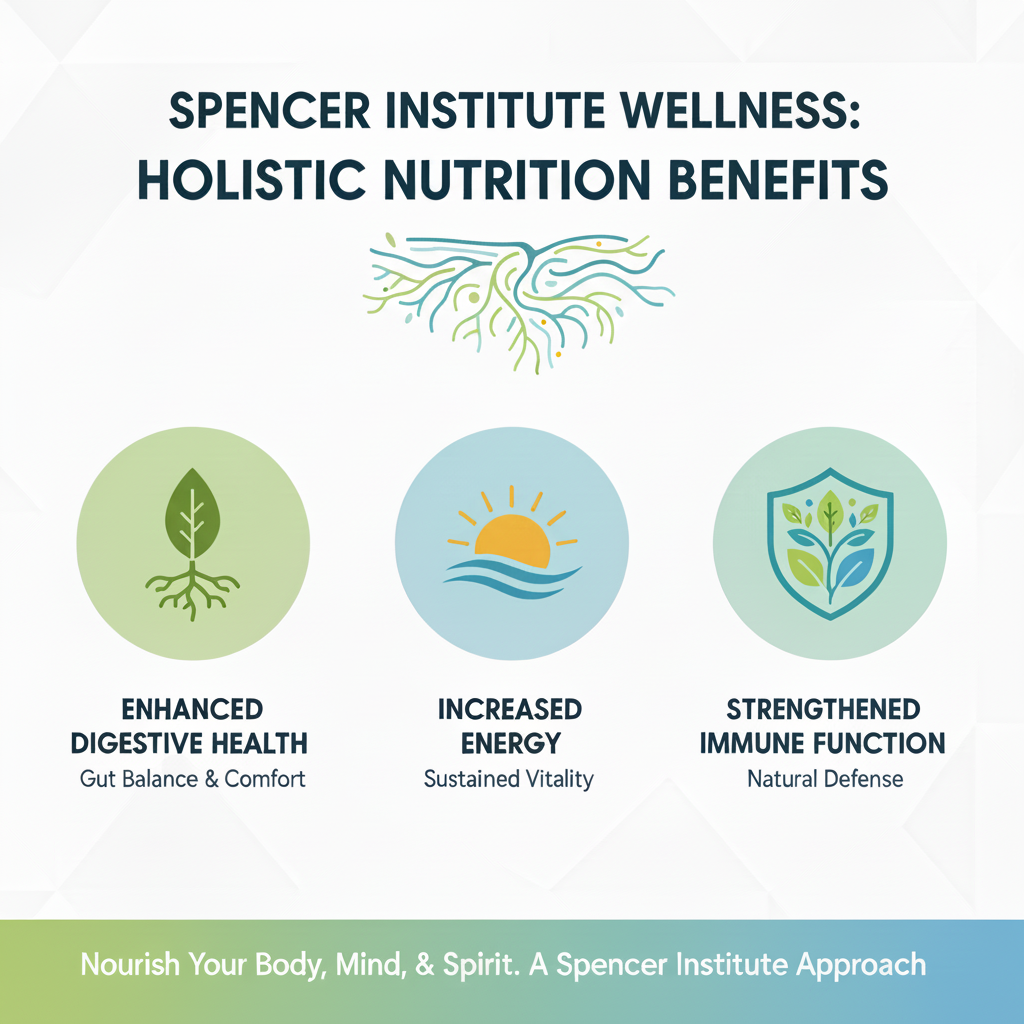
Enhanced Digestive Health
A primary focus of holistic nutrition is supporting a healthy digestive system. A diet rich in fiber from fruits, vegetables, and whole grains promotes regular bowel movements and feeds beneficial gut bacteria. Incorporating fermented foods like yogurt, kefir, and sauerkraut introduces probiotics that help maintain a healthy gut microbiome.
A well-functioning digestive system is essential for absorbing nutrients effectively and eliminating waste. By improving gut health, you can reduce issues like bloating, gas, and indigestion, leading to greater comfort and overall wellness.
Increased Energy and Vitality
Many people experience a noticeable boost in energy when they switch to a whole-foods diet. Processed foods, high in sugar and refined carbohydrates, can cause sharp spikes and crashes in blood sugar, leaving you feeling tired and sluggish.
In contrast, a balanced diet of complex carbohydrates, lean proteins, and healthy fats provides a steady supply of energy throughout the day. Nutrient-dense foods give your cells the fuel they need to perform their functions efficiently, resulting in sustained vitality and mental clarity.
Strengthened Immune Function
Your immune system relies on a steady supply of vitamins and minerals to function properly. Holistic nutrition emphasizes foods rich in immune-supporting nutrients like vitamin C, vitamin D, zinc, and antioxidants.
By nourishing your body with a wide variety of colorful fruits and vegetables, you provide it with the tools it needs to defend against pathogens. A healthy gut microbiome, supported by a holistic diet, also plays a crucial role in immune regulation.
Practical Ways to Incorporate Holistic Nutrition
Making the shift to a more holistic way of eating does not have to be overwhelming. You can start by incorporating a few simple changes into your daily routine.
1. Increase Your Fiber Intake
Fiber is essential for digestive health, blood sugar regulation, and maintaining a healthy weight. Most people do not consume enough of it. You can easily increase your intake by:
Eating more vegetables and fruits: Aim to fill half your plate with non-starchy vegetables at every meal.
Choosing whole grains: Swap white bread, pasta, and rice for whole-wheat bread, quinoa, brown rice, and oats.
Adding legumes: Incorporate beans, lentils, and chickpeas into soups, salads, and main dishes.
2. Eat Seasonally and Locally
Eating foods that are in season and grown locally offers several advantages. Seasonal produce is typically fresher, more nutrient-dense, and more flavorful than produce that has traveled long distances.
Shopping at local farmers’ markets is a great way to connect with your food source and support your local economy. It also encourages you to eat a wider variety of foods as the seasons change, which helps diversify your nutrient intake.
3. Focus on Gut Health with Fermented Foods
Fermented foods are a natural source of probiotics, which are beneficial bacteria that support a healthy gut. Regular consumption of these foods can help improve digestion, boost immunity, and even enhance mood.
- Consider adding these fermented foods to your diet:
- Yogurt or Kefir: Choose plain, unsweetened varieties with live and active cultures.
- Sauerkraut and Kimchi: These fermented cabbage dishes are excellent sources of probiotics and enzymes.
- Kombucha: A fermented tea that offers a healthy alternative to sugary sodas.
4. Practice Mindful Eating
Mindful eating is the practice of paying full attention to the experience of eating and drinking, both inside and outside the body. It involves listening to your body’s hunger and fullness cues, eating slowly, and savoring each bite.
This practice can help you develop a healthier relationship with food, improve digestion, and prevent overeating. Before each meal, take a moment to pause, breathe, and express gratitude for your food. This simple act can transform your mealtime into a more nourishing and enjoyable experience.
Building Your Future with Holistic Wellness
Adopting a holistic nutrition philosophy is a journey of self-discovery and empowerment. It encourages you to become an active participant in your own health by making conscious choices that nourish your entire being. By prioritizing whole foods, listening to your body, and understanding the mind-body connection, you can build a sustainable foundation for long-term health and vitality.
If you are a coach looking to expand your expertise, understanding these principles can greatly enhance the value you offer to your clients. A certification in holistic nutrition can provide you with the knowledge and credibility to guide others on their path to wellness.
Explore how a certification program can help you integrate these powerful concepts into your coaching practice. Reach out if you have questions about advancing your career through specialized education.