
Emotional Intelligence: The Cornerstone of Effective Health and Wellness Coaching
Emotional intelligence (EI) is more than just a buzzword; it’s the bedrock upon which successful health and wellness coaching is built. It’s the ability to understand, manage, and utilize emotions effectively, both in oneself and in others. For health and wellness coaches, mastering emotional intelligence is paramount to creating a transformative experience for their clients.
The Power of Connection: Building Trust Through Emotional Intelligence
Trust is the foundation of any successful coaching relationship. It’s the glue that binds coach and client together, creating a safe space for vulnerability and growth. Emotional intelligence is the key to building this trust. By demonstrating empathy, understanding, and compassion, coaches create an environment where clients feel heard, valued, and supported.
Active listening: Truly hearing your client’s story involves more than just listening to the words. It’s about paying attention to their tone of voice, body language, and underlying emotions. By actively listening, you demonstrate that you care about their experiences and feelings.
Empathy in action: Putting yourself in your client’s shoes is essential for building trust. By understanding and validating their emotions, you create a sense of connection and support.
Non-judgmental stance: Creating a safe space for clients to share their thoughts and feelings without fear of judgment is crucial. By approaching your clients with an open mind, you encourage honesty and authenticity.
Communicating Empathy: The Language of Connection
Effective communication is at the heart of emotional intelligence. For health and wellness coaches, it’s the vehicle through which they can inspire, motivate, and support their clients. By developing strong communication skills, coaches can create a deeper connection with their clients and foster a more impactful coaching experience.
Verbal communication: The words you choose matter. Using clear, concise, and empathetic language can help your clients feel understood and supported.
Non-verbal communication: Your body language, tone of voice, and facial expressions speak volumes. By maintaining eye contact, using open gestures, and matching your client’s energy level, you can create a sense of rapport and connection.
Active questioning: Asking open-ended questions encourages your clients to share their thoughts and feelings. By actively listening to their responses, you can gain a deeper understanding of their perspective.
Enhancing the Coaching Experience Through Emotional Intelligence
By incorporating emotional intelligence into your coaching practice, you can create a more powerful and transformative experience for your clients. Here are some key benefits:
Deeper client connection: When clients feel understood and supported, they are more likely to open up and share their challenges. This deeper connection can lead to more meaningful and lasting results.
Improved communication: Effective communication is essential for any successful relationship. By developing strong communication skills, you can create a clear and open dialogue with your clients.
Increased motivation: When clients feel supported and encouraged, they are more likely to stay motivated and committed to their goals. By fostering a positive and supportive environment, you can help your clients achieve their full potential.
Enhanced problem-solving: Emotional intelligence can help clients identify and manage their emotions, which can improve their ability to problem-solve and make decisions. By teaching clients emotional regulation techniques, you can empower them to overcome challenges and achieve their goals.
Greater resilience: Building emotional resilience is essential for long-term well-being. By helping clients develop coping mechanisms and stress management strategies, you can equip them to navigate life’s challenges with greater ease.
Practical Tips for Incorporating Emotional Intelligence into Your Coaching Practice
Self-awareness: Start by developing your own emotional intelligence. Understand your triggers, strengths, and weaknesses.
Empathy training: Practice active listening and empathy in your daily interactions.
Communication skills: Take courses or workshops on effective communication.
Mindfulness practice: Incorporate mindfulness techniques into your own life to improve your emotional regulation.
Client feedback: Ask your clients for feedback on your coaching style and how you can improve your emotional intelligence.
By prioritizing emotional intelligence in your health and wellness coaching practice, you can create a profound and lasting impact on your clients’ lives. Remember, it’s not just about helping clients achieve their goals; it’s about empowering them to live happier, healthier, and more fulfilling lives.
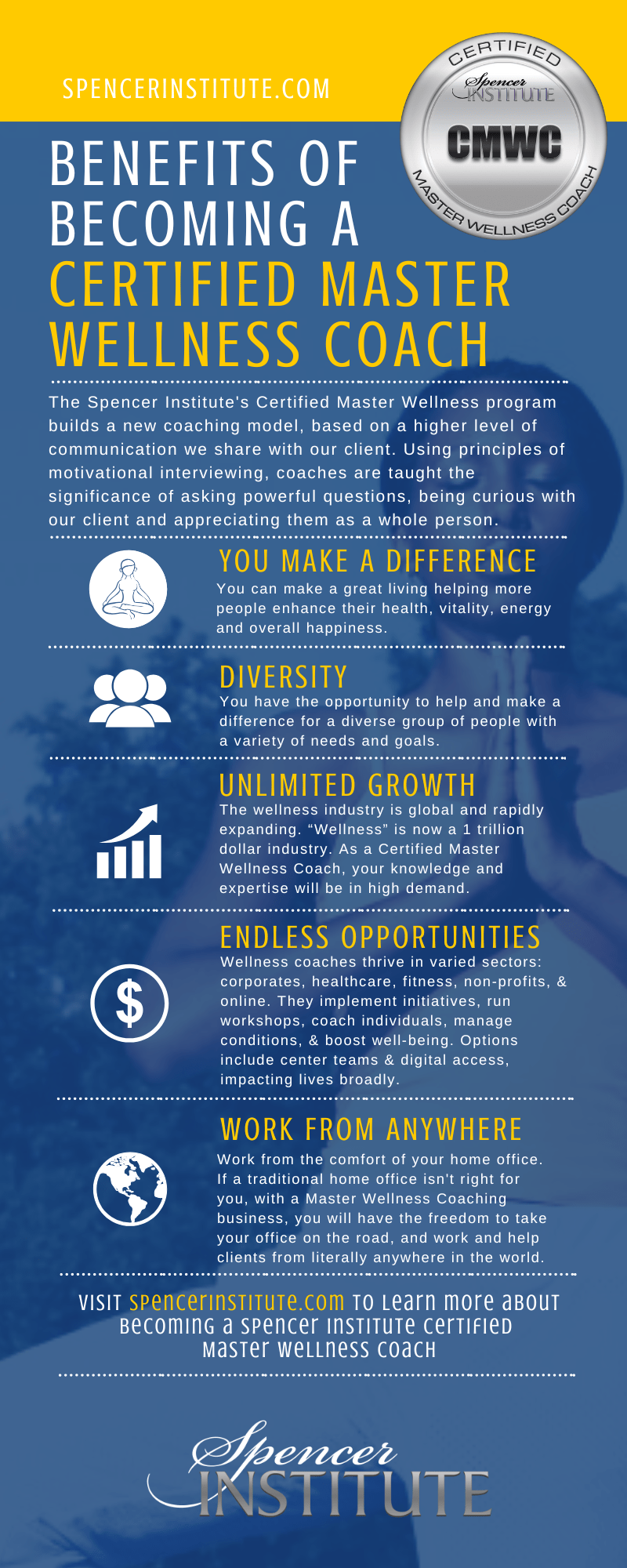
At Spencer Institute, we provide you with the tools you need to become an effective and successful coach. We’re here to help you achieve your career goals. Contact us today!