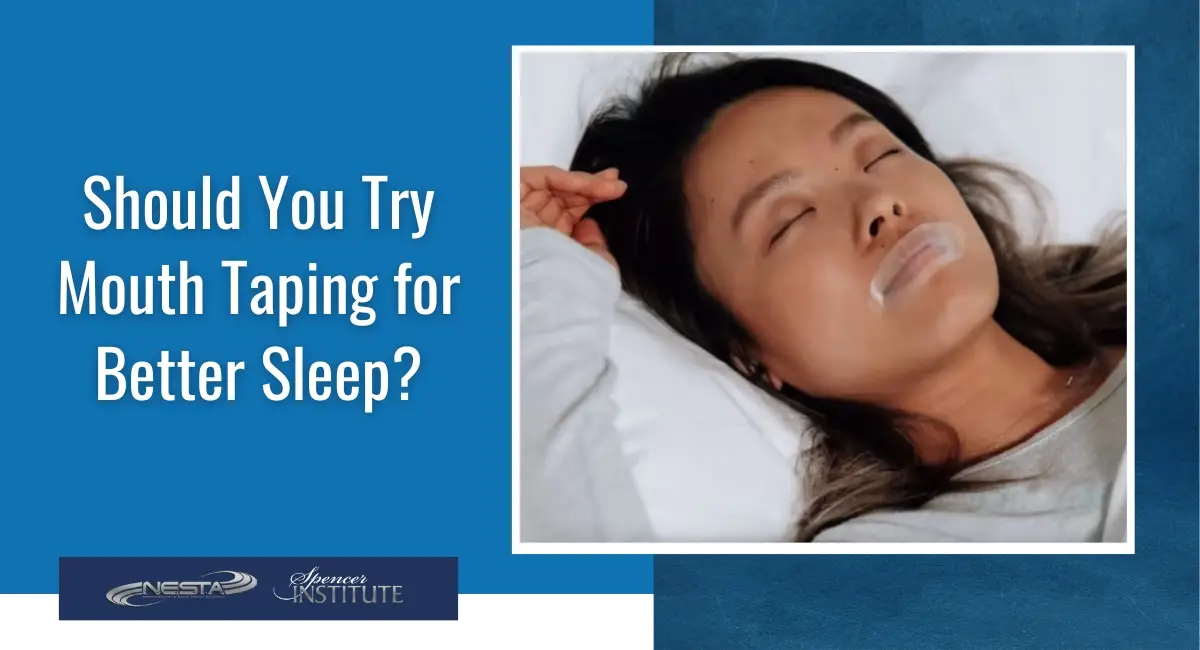
Why are People Taping Their Mouths?
Do you ever find yourself waking up in the middle of the night with a dry mouth and a scratchy throat? Do you struggle with snoring or interrupted sleep? If so, you’re not alone. Millions of people around the world struggle with these issues, but what if the solution was as simple as a strip of tape?
That’s the idea behind mouth taping, a practice that has been gaining popularity in recent years as a way to improve sleep quality, reduce snoring, and promote better breathing habits. But is it safe? And does it really work? Let’s take a closer look at the science behind mouth taping and explore its potential benefits and risks.
Nasal Breathing vs Mouth Breathing
Mouth taping involves using medical tape or a specially designed tape to seal your mouth shut while you sleep. The idea behind this practice is to encourage nasal breathing and prevent mouth breathing during sleep. Proponents of mouth taping believe it can help reduce snoring, improve sleep quality, and even reduce the risk of certain health problems associated with mouth breathing.
During the day, breathing through your nose has several benefits. First, your nose is designed to filter, humidify, and warm the air you breathe in, which can help protect your lungs and respiratory system. Breathing through your mouth, on the other hand, can dry out your throat and lungs, and make you more susceptible to infections and other respiratory problems.
Nasal breathing can also help regulate the amount of air you take in, which can be especially important during exercise. When you breathe through your mouth during physical activity, you may end up taking in too much air, which can lead to hyperventilation and a decrease in performance. Nasal breathing, on the other hand, can help you maintain a more consistent and efficient breathing pattern.
At night, breathing through your nose is especially important, as it can help you get a better night’s sleep. When you breathe through your mouth while sleeping, you’re more likely to snore and experience interrupted sleep, which can leave you feeling tired and groggy the next day. Nasal breathing, on the other hand, can help reduce snoring and promote deeper, more restful sleep.
In addition to the benefits of nasal breathing, there are also several risks associated with mouth breathing. Chronic mouth breathing can lead to dry mouth, bad breath, and an increased risk of dental problems. It can also lead to a variety of health problems, including sleep apnea, asthma, and allergies.
Is Mouth Taping Effective?
Mouth taping has been studied for its potential benefits in improving sleep quality, reducing snoring, and promoting better breathing habits. A small study published in the Journal of Oral Rehabilitation in 2008 found that mouth taping can help reduce snoring and improve sleep quality in people with sleep-disordered breathing.
Another study published in the Journal of Sleep Research in 2018 found that mouth taping can improve nasal breathing and decrease mouth breathing during sleep, which may lead to improved oxygenation and better sleep quality. Additionally, a study published in the Journal of Clinical Sleep Medicine in 2019 found that mouth taping can be an effective treatment for sleep apnea in some people, particularly those with mild to moderate forms of the condition. However, more research is needed to fully understand the potential benefits and risks of mouth taping, particularly in larger and more diverse populations.
Is Mouth Taping Safe?
Mouth taping is generally considered safe for most people. However, as with any health practice, there may be potential risks or drawbacks to consider.
For example, if you have certain medical conditions, such as severe sleep apnea or nasal congestion, mouth taping may not be appropriate or effective. Additionally, mouth taping may not be comfortable or tolerable for everyone, particularly those who are claustrophobic or have anxiety around breathing.
If you’re considering trying mouth-taping at night, here are a few tips to help you do it safely and effectively:
- Start slowly: It’s important to ease into mouth taping gradually, especially if you’ve never done it before. Begin by using a small piece of tape and gradually increase the size over time.
- Choose the right tape: It’s important to use the right type of tape for mouth taping. Look for medical-grade tape that is designed for sensitive skin and won’t irritate your lips or mouth. You can also use specially designed mouth taping strips that are made specifically for this purpose.
- Practice good oral hygiene: Before you apply the tape, make sure your mouth is clean and free of any debris or bacteria. Brush your teeth and tongue, and rinse your mouth with water or mouthwash.
- Keep water nearby: It’s important to stay hydrated throughout the night, especially if you’re prone to dry mouth. Keep a glass of water nearby in case you need to take a sip during the night.
- Don’t tape too tightly: It’s important to apply the tape gently and avoid pulling it too tightly, as this can cause discomfort and irritation. The tape should be snug, but not so tight that it restricts your breathing.
- Monitor your breathing: It’s important to pay attention to your breathing while you’re using mouth tape. If you feel uncomfortable or have difficulty breathing, remove the tape immediately and consult with a healthcare professional.
Remember, mouth taping is not a substitute for proper medical care, and it should only be done under the guidance of a healthcare professional. If you’re experiencing difficulty breathing or have any other concerns about your health, consult with a doctor or other qualified healthcare provider.
Where Can You Learn More?
Overall, breathing through your nose is generally considered to be the healthiest and most effective way to breathe, both during the day and at night and mouth taping may be an option for you. However, if you’re having difficulty breathing through your nose, or if you have underlying health problems that make nasal breathing difficult, it’s important to consult with a professional to determine the best course of treatment.
Not getting enough sleep increases the risk of obesity, memory impairment, illness, and even hallucinations or death. Falling asleep is a common problem. But sleep quality is also crucial for optimum brain function and recovery. Fortunately, there are many ways to train your body and mind to fall asleep more quickly and improve your sleep quality.
When you become a Certified Sleep Science Coach, you will learn how to help your clients dramatically enhance their metabolism, memory, creativity, immune function, hormone balance, hunger management, disease prevention, sports performance, accident avoidance, memory, reaction time, good judgement, surgery recovery, happiness and over 100 additional functions and behaviors.
Our programs are open to anyone with a desire to learn and help others. There are no prerequisites.
That’s it for now.
Take action!
PS: Click here to see many helpful business/career resources