How to Prioritize Sustainability in Your Diet
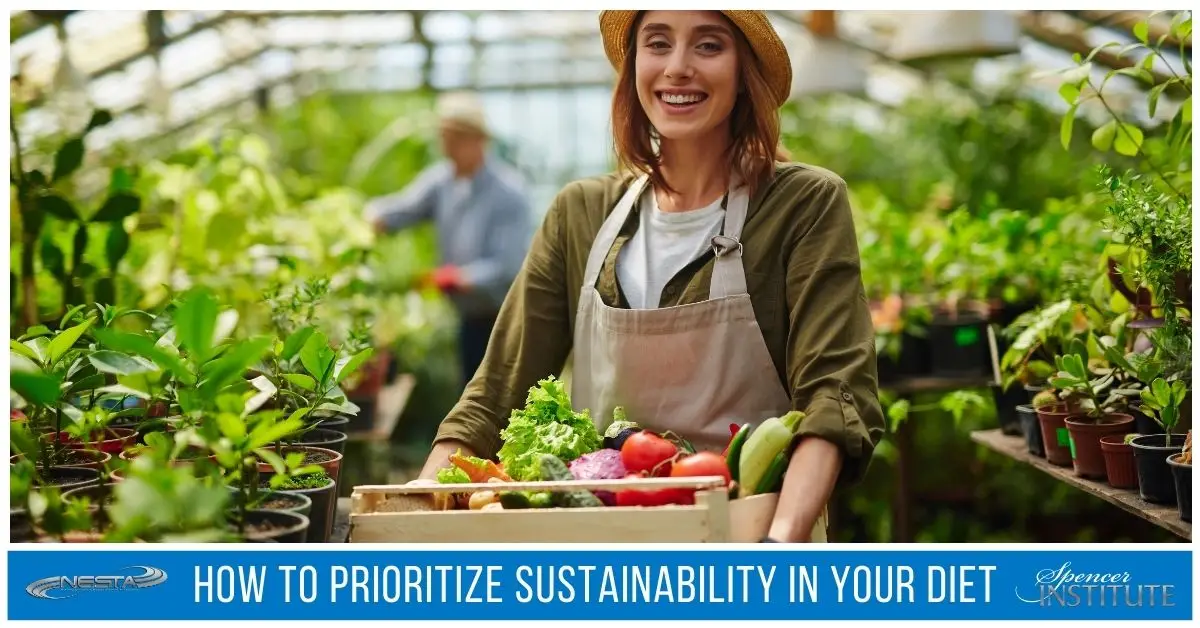
Food is responsible for around 30% of greenhouse gas emissions globally, and if we don’t take action this number is predicted to grow, so we’re looking ahead to make sure we meet our climate targets.
Sustainable eating is about choosing foods that are good for you, the farmers, the environment, the economy, and society. Sustainable eating also takes into account all the consequences of agriculture and food in the environment, such as water usage and soil fertility.
There are many ways to embrace sustainable eating. When considering how you can practice sustainable eating, consider which behaviors would fit with your lifestyle as they should be sustainable for you, too.
Buy Seasonal Produce and Grow Your Own Food
Seasonal produce doesn’t require as much artificial help in growing, so you’ll find fewer pesticides and chemicals, and less human assistance in general.
Eating seasonally also means you can avoid eating foods that have been shipped in from abroad, which significantly cuts down on food mileage (the distance food travels from where it is grown to where it is ultimately purchased or consumed by the end-user) and thus reduces our carbon footprint.
If you’re not sure what’s in season at the moment, take some time to go to your local farmer’s market. There you’ll see firsthand what’s seasonal, and you’ll also support local businesses at the same time.
As you become more knowledgeable on the seasonality of growing food, you may become inspired to try your hand at starting your own food garden.
You wouldn’t believe how little land it takes to create a garden. All you need is a small patch of earth (or even a window box) to grow a few things, like tomatoes, greens, and herbs.
Growing your own food reduces how much food mileage you imprint on the earth, as well as how many resources are used to get the food to your table.
If you live in a crowded city like New York, look for community garden spaces where you can participate. With a little bit of research and time, you could have your own fruits, vegetables, and herbs ready to bring into your kitchen in as little as a few weeks.
Compost Your Food Waste
Compost is organic material that can be added to soil to help plants grow.
Food scraps and yard waste together currently make up more than 30% of what we throw away, and could be composted instead. Making compost keeps these materials out of landfills where they take up space and release methane, a potent greenhouse gas.
We were taught not to waste food at a young age, so rather than tossing out food scraps into the same bins that hold household garbage, we could all start composting.
Composting enriches the soil (helping retain moisture and suppress plant diseases and pests), reduces the need for chemical fertilizers, encourages the production of beneficial bacteria and fungi that break down organic matter to create humus, a rich nutrient-filled material, and reduces methane emissions from landfills and lowers your carbon footprint.
Even if you don’t have a home garden where the compost could be put to use you can compost materials indoors using a special type of bin, which you can buy at a local hardware store, gardening supplies store, or make yourself.
Eat less Processed and Packaged foods and Animal Products
If we all made some minor adjustments to our diet, we could make a pretty big difference.
You may be surprised to learn that at the moment, fruits, vegetables, and nuts only take up 2% of America’s crop acreage, while 60% of it is devoted to cereal grains that are harvested for packaged foods and edible oils, both of which have very low nutritional value.
Americans are eating a lot of food that’s made mostly from soy and corn, both of which waste a lot of resources to make and take over land that could instead be used for fresh produce.
Corn is the most widely produced feed grain in the United States, the majority of which goes towards feeding livestock.
By cutting down on your consumption of animal products, you leave more fresh water available to the planet, you reduce the amount of methane pumped into the atmosphere, and you save precious land from being taken over for animal agriculture.
The less processed and packaged foods we all eat, the less demand there will be for such products, and hopefully we’ll start to see a lot more land set aside for growing fresh produce that’s going to improve our health.