The Evolution of Wellness: How Thoughts, Feelings, and Daily Practices Change Over a Lifetime
As a health, fitness, or wellness professional, it’s important for you to understand the changing meaning of “wellness” as your clients get older. Values change. Energy changes. The desire to have more “healthy years” replaces, the desire to perform well at a particular sport. Longevity becomes of greater importance.
Throughout our lives, our perspectives, priorities, and aspirations evolve as we grow and experience various stages of life. This evolution extends to our thoughts, feelings, and daily practices associated with wellness. While aesthetics, sports performance, and strength often dominate the mindset of youth, the focus gradually shifts as we age. This shift is influenced by changes in abilities, available time, shifting values, and quality of life concerns. In this report, we will explore the changing landscape of wellness and how it transforms over the course of a client’s lifetime.
Youthful Emphasis on Aesthetics and Performance
During our younger years, aesthetics and sports performance tend to take center stage in our thoughts and daily practices related to wellness. The desire to look good, have a fit physique, and excel in physical activities often motivates us. The emphasis is on sculpting the body, improving athletic performance, and adhering to societal beauty standards. Exercise routines may involve intense workouts, weightlifting, team sports, and competitive activities that require endurance and strength.
NOTE: Maintaining higher levels of strength are critical for improved quality of life as we age.
Transitioning to a Balanced Approach
As we progress through life, the pursuit of wellness undergoes a transformation. Time constraints, increased responsibilities, and shifting priorities demand a more balanced approach. While aesthetics and performance remain important, overall well-being and quality of life begin to take precedence. The focus shifts towards achieving mental and emotional well-being, maintaining functional fitness, and managing stress.
Adapting to Changing Abilities
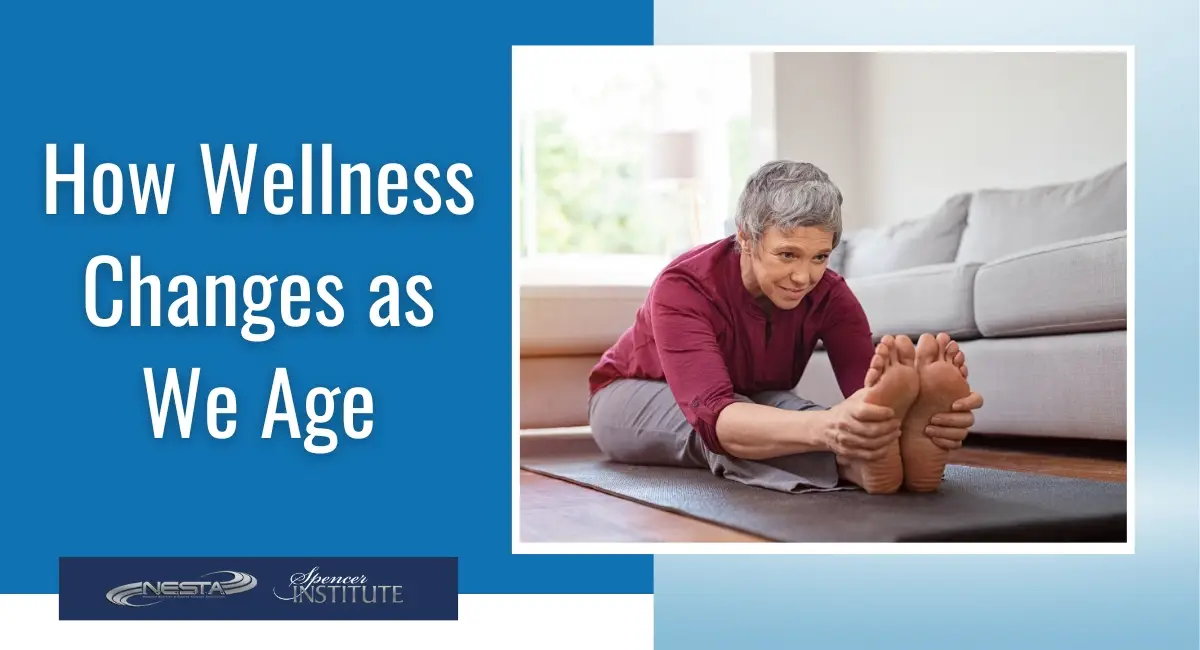
As we age, our bodies undergo natural changes, and our abilities may no longer be what they once were. This realization prompts a shift in thoughts, feelings, and daily practices associated with wellness. Instead of pushing for peak performance, the focus becomes maintaining functionality, flexibility, and mobility. Activities like yoga, Pilates, swimming, and low-impact exercises gain popularity as they support joint health, balance, and overall physical well-being.
Prioritizing Mental and Emotional Wellness
As life progresses, we develop a deeper understanding of the importance of mental and emotional well-being. The demands of careers, relationships, and personal growth make it essential to prioritize mental health. Meditation, mindfulness practices, and stress management techniques become integral parts of our daily routines. Seeking therapy, counseling, or engaging in self-reflection activities becomes more common as we aim to maintain emotional resilience and a positive mindset. Some people use grounding/Earthing to help facilitate this process.
Shifting Values and Lifestyle Choices
As we mature, our values and lifestyle choices often evolve, influencing our thoughts, feelings, and practices related to wellness. We start to prioritize holistic health, sustainability, and environmental consciousness. There may be a shift towards plant-based or mindful eating, embracing natural remedies, and adopting a more eco-friendly lifestyle. Activities like hiking, nature walks, gardening, and connecting with the natural world gain significance as we seek a deeper connection with ourselves and the environment.

Wellness as a Long-Term Investment
With age comes a growing awareness of the importance of long-term health and quality of life. Our thoughts, feelings, and daily practices become more focused on wellness as a long-term investment. We start to pay closer attention to preventive healthcare, regular check-ups, and disease prevention. Engaging in activities that promote cognitive health, such as puzzles, reading, or learning new skills, becomes a priority. There is an increased emphasis on cultivating social connections and maintaining a support network, recognizing the impact of relationships on overall well-being.
Embracing Self-Care and Restorative Practices
As we navigate the challenges and demands of life, self-care and restorative practices become essential components of our wellness routines. Prioritizing quality sleep, incorporating relaxation techniques, and nurturing self-compassion become vital for managing stress and maintaining a balanced lifestyle. Activities like spa treatments, massage therapy, or simply taking time for oneself become valued practices that promote overall well-being.
Longevity and Wellness Resources
The journey of wellness spans a lifetime, and our thoughts, feelings, and daily practices associated with it change accordingly. Understanding this evolution allows us to navigate each stage of life with greater self-awareness, making informed choices that promote holistic well-being and fulfillment.
If this topic interests you and you would like to learn how to implement wellness for older clients, you will want to enroll in the Spencer Institute Longevity Coach Certification. You should also consider enrolling in the Certified Wellness Coach course.If you have any questions about either course, please send us a message so we can help you make the right decision for your interests and career goals.