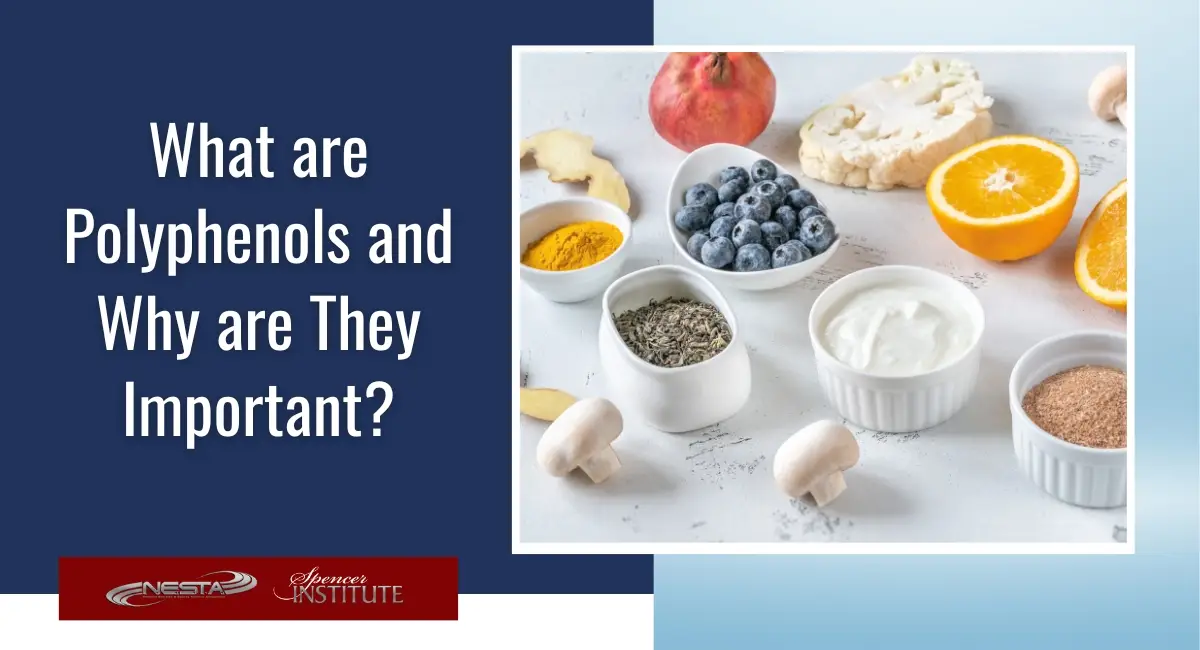
Polyphenols: Nature’s Gift for Health and Wellness
Polyphenols are a diverse group of natural compounds found abundantly in plant-based foods. These bioactive substances have been extensively studied for their potential health benefits, making them a subject of great interest in the fields of nutrition and preventive medicine. In this comprehensive report, we will explore what polyphenols are, where they are naturally found, the most plentiful food sources, recommended daily intake, the consequences of polyphenol deficiency, and the illnesses or diseases they may help prevent.
As a health, fitness, wellness or nutrition professional, you will want to learn the information in this report in great detail.
Here are our related professional training courses:
Understanding Polyphenols
Polyphenols are a group of phytochemicals characterized by their chemical structure, which includes multiple phenolic rings. These compounds are synthesized by plants as a defense mechanism against environmental stressors, including UV radiation and pathogens. When we consume foods rich in polyphenols, these beneficial compounds offer us a range of health benefits, thanks to their antioxidant, anti-inflammatory, and immune-modulating properties.
Natural Sources of Polyphenols
Polyphenols are widely distributed throughout the plant kingdom. They can be found in various plant parts, such as fruits, vegetables, nuts, seeds, grains, herbs, and spices. The different types of polyphenols include flavonoids (e.g., flavonols, flavanols, flavones, anthocyanins), phenolic acids (e.g., ellagic acid, gallic acid), stilbenes (e.g., resveratrol), and lignans.
Foods Richest in Polyphenols
Several foods are particularly rich in polyphenols, providing a delicious and diverse array of choices to incorporate into a healthy diet. Some of the most plentiful sources of polyphenols include:
- Berries: Blueberries, strawberries, raspberries, and blackberries are renowned for their high polyphenol content, particularly anthocyanins.
- Grapes: Red and purple grapes contain resveratrol, a potent polyphenol known for its potential health benefits.
- Tea: Green tea and black tea are abundant in flavonoids, including catechins and theaflavins.
- Cocoa and Dark Chocolate: Cocoa and dark chocolate boast high levels of flavanols, contributing to their reputation as heart-healthy treats.
- Citrus Fruits: Oranges, lemons, and grapefruits are rich in flavonoids like hesperidin and naringenin.
- Apples: Apples contain various polyphenols, including quercetin and catechins.
- Red Wine: Red wine contains resveratrol, which is believed to contribute to its potential health benefits in moderation.
- Legumes: Beans, lentils, and peas are a good source of polyphenols, particularly flavonoids.
Recommended Daily Intake
Currently, there is no specific Recommended Daily Allowance (RDA) for polyphenols. The polyphenol content in foods can vary widely, and individual needs may differ based on factors such as age, sex, health status, and lifestyle. However, research suggests that a diet rich in a variety of fruits, vegetables, and whole grains can provide enough polyphenols to support overall health.
Consequences of Polyphenol Deficiency
While there is no established deficiency disease associated with polyphenols, inadequate intake of these valuable compounds may deprive the body of their potential health benefits. A diet lacking in fruits, vegetables, and other polyphenol-rich foods may increase the risk of oxidative stress, inflammation, and various chronic diseases.
Illnesses and Diseases Polyphenols Help Prevent
Polyphenols have been studied extensively for their potential protective effects against several illnesses and diseases. Some of the conditions they may help prevent include:
- Cardiovascular Disease: Polyphenols, especially those found in berries, grapes, and tea, are associated with reduced risk factors for cardiovascular disease, such as hypertension and cholesterol levels.
- Cancer: Certain polyphenols have demonstrated anti-cancer properties by inhibiting tumor growth and promoting apoptosis (programmed cell death) in cancer cells.
- Diabetes: Polyphenols, particularly those in cinnamon, cocoa, and green tea, have been linked to improved insulin sensitivity and blood sugar regulation.
- Neurodegenerative Diseases: The antioxidant properties of polyphenols may help protect the brain from oxidative stress, potentially reducing the risk of neurodegenerative conditions like Alzheimer’s and Parkinson’s disease.
- Inflammation: Polyphenols possess anti-inflammatory properties, which may help mitigate chronic inflammation, a contributing factor to various diseases.
- Digestive Health: Certain polyphenols, such as those in cranberries and apples, have been linked to improved gut health and reduced risk of gastrointestinal disorders.
- Weight Management: Some polyphenols may aid in weight management by promoting fat oxidation and reducing fat absorption.
Polyphenols are a remarkable group of compounds found abundantly in plant-based foods, offering a multitude of potential health benefits. With antioxidant, anti-inflammatory, and immune-modulating properties, polyphenols have been associated with a reduced risk of various illnesses and diseases, including cardiovascular disease, cancer, diabetes, and neurodegenerative conditions.
By incorporating a diverse array of fruits, vegetables, nuts, seeds, and whole grains into our diets, we can ensure a sufficient intake of these bioactive compounds to support overall health and well-being. As research continues to unveil the full potential of polyphenols, their role in preventive medicine remains a compelling area of study, providing an exciting prospect for enhancing human health and longevity.
Nutrition Coaching Resources
If you want to help clients with food, diet, weight management and improving the results of their fitness routines, the Fitness Nutrition Coach course is for you. You will learn about optimal nutrition, including proven techniques for increasing energy, optimal health and decreased dependence on medications. Instantly increase your job and career opportunities with this popular professional credential.
To master holistic nutrition, you will want to enroll in the Spencer Institute Holistic Nutrition Coach.
Become a Lifestyle Weight Management Specialist. Help your clients achieve their weight loss or weight management goals using the latest proven strategies.
You can become a Certified Personal Fitness Chef and expand your current personal chef business, or add a new profit center for your fitness or wellness business. Many personal chefs cook and coach people in groups to help more people and earn more money per hour. Some chefs provide weekly meal prep service for health-minded customers and athletes.