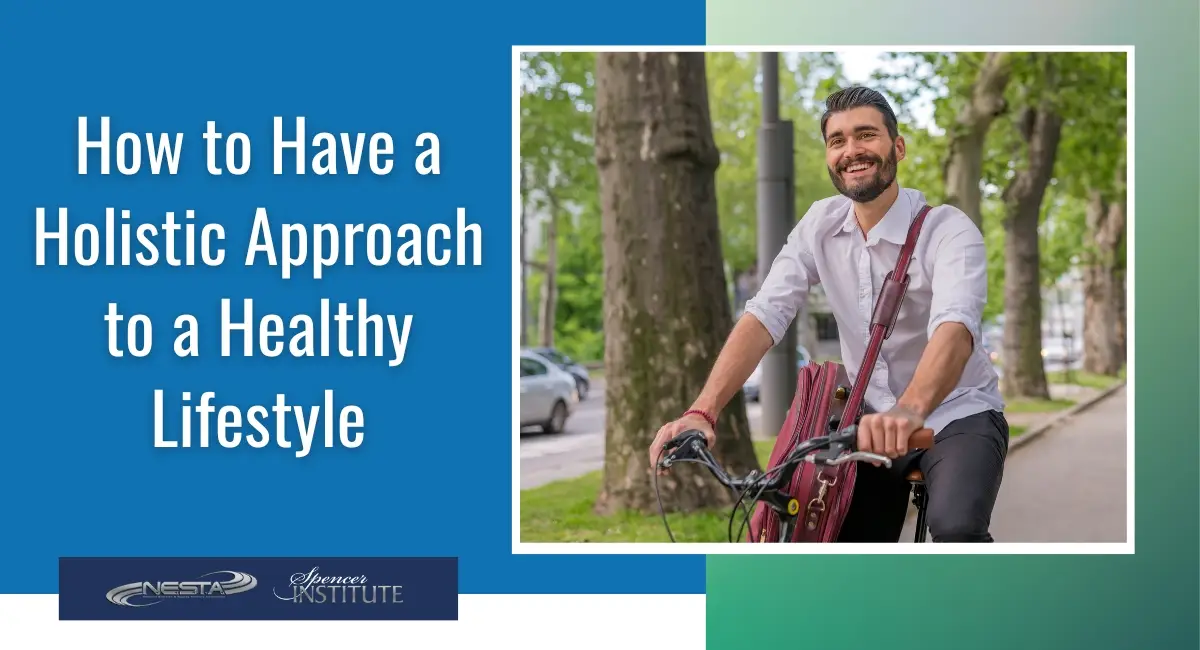
What Are the Proven Benefits of Living a Holistic Lifestyle?
Living a holistic lifestyle involves considering and addressing all aspects of your or your client’s life and well-being. A holistic approach involves a combination of physical, mental, relational, emotional, and spiritual health to improve overall wellness. This approach emphasizes that each aspect of a person’s life is interconnected and that treating one area can positively impact others.
Important Aspects of Living a Holistic Lifestyle
One of the most critical aspects of living a holistic lifestyle is getting enough sleep. Sleep is a vital function that helps the body to heal and repair itself, consolidates memory and learning, and supports the immune system. Lack of sleep can lead to a host of health problems, including weight gain, high blood pressure, and depression.
To improve sleep quality, individuals can implement a regular sleep schedule, ensure the sleeping environment is dark, quiet, and comfortable, avoid using electronics before bedtime, and limit caffeine intake. Developing a consistent sleep routine can also help the body’s internal clock adjust, leading to better quality sleep. This is referred to as good sleep hygiene.
Another important factor in a holistic approach to health is stress management. Stress can have a significant impact on physical and emotional health, leading to a range of health issues such as anxiety, depression, and heart disease.
To reduce stress, individuals can engage in activities that promote relaxation, such as meditation, yoga, or deep breathing exercises. These activities can help individuals to calm their minds and reduce the physiological responses to stress, such as increased heart rate and blood pressure. Other stress-reducing activities include spending time in nature, engaging in creative activities, and spending time with loved ones.
Another essential aspect of living a holistic lifestyle is diet. Eating a balanced diet with a variety of fruits, vegetables, whole grains, and lean proteins can provide the body with the nutrients it needs to function optimally. Consuming processed foods and excessive amounts of sugar, saturated and trans fats can increase the risk of chronic diseases such as heart disease, diabetes, and cancer.
To promote a healthy diet, individuals should focus on eating whole, unprocessed foods and limit their intake of added sugars and unhealthy fats. Additionally, staying hydrated by drinking plenty of water can help to support the body’s functions and improve overall health.
In addition to diet, social connections and relationships are also essential to living a holistic lifestyle. Strong relationships and social support can help individuals to manage stress, promote a sense of belonging, and enhance overall well-being.
To build and maintain strong relationships, individuals can engage in activities that foster social connections, such as joining a club or organization that aligns with their interests, volunteering, or attending social events. Get out and meet great people. Connect. Taking the time to communicate openly and honestly with loved ones can help to strengthen relationships and promote feelings of connection and support.
Holistic Lifestyle Practices
Beyond the four aspects of living a holistic lifestyle mentioned above, there are additional practices that can contribute to a more holistic sense of well-being. These include practicing gratitude, engaging in physical activity, and nurturing spiritual health.
Practicing gratitude involves actively acknowledging and appreciating the good things in life. Research has shown that regularly expressing gratitude can lead to improved mental health and well-being. It can also foster a positive outlook and help individuals to cope with challenging situations.
To cultivate gratitude and receive its real benefit, individuals can start by keeping a gratitude journal or making a habit of expressing appreciation for the people and things in their life. Additionally, taking the time to reflect on positive experiences and focusing on the present moment can help to promote feelings of gratitude and contentment.
Physical activity is another important aspect of living a holistic lifestyle. Regular exercise can help to improve cardiovascular health, strengthen muscles and bones, and reduce the risk of chronic diseases. It can also promote better sleep, boost energy levels, and enhance mental clarity and focus. You can learn to help yourself and others level by becoming a NESTA NCCA-accredited Certified Personal Fitness Trainer.
To incorporate physical activity into daily life, individuals can aim to engage in at least 30 minutes of moderate-intensity exercise most days of the week. This can include activities such as walking, jogging, cycling, or swimming. Additionally, strength training exercises can help to build muscle and improve overall physical function.
Finally, nurturing spiritual health can also contribute to a more holistic sense of well-being. Spirituality can be defined in different ways, depending on an individual’s beliefs and values. It can involve connecting with a higher power or simply finding meaning and purpose in life. It all can be valuable.
To nurture spiritual health, you and your clients can engage in activities such as prayer, meditation, or mindfulness practices. Additionally, participating in community activities or volunteering can provide opportunities for connection and service, which can promote a sense of spiritual fulfillment and purpose.
It is important to remember that holistic health is a journey, and it may take time to develop and integrate these practices into one’s lifestyle. However, with dedication and commitment, individuals can experience the numerous benefits of living a holistic lifestyle and improving their overall health and well-being.
The top education courses to master these skills are the following:
- Holistic Life Coach Certification
- Holistic Nutrition Coach Certification
- Sleep Science Coach Certification
- Stress Management Coach Certification
Spencer Institute certification programs are open to anyone with a desire to learn and help others. There are no prerequisites.
Stay healthy!
PS: Click here to see many helpful business/career resources