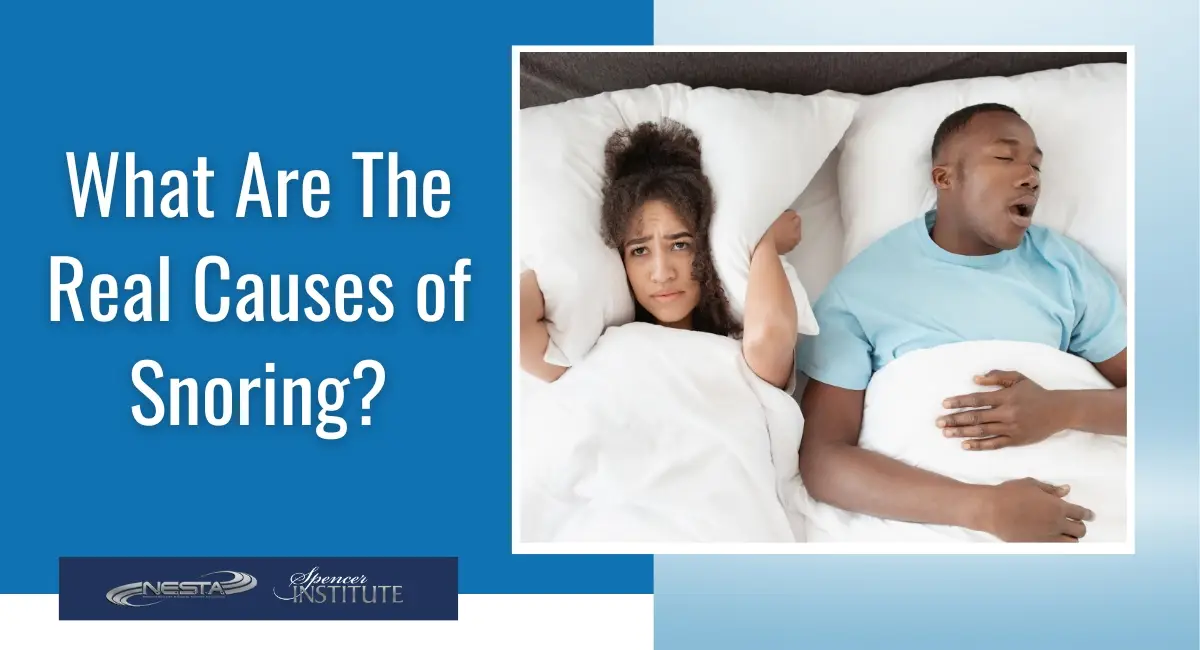
Snoring: Causes, Health Implications, and Treatment Options
Snoring is a common sleep disorder that affects a significant portion of the population. While it may seem harmless and merely an annoyance to partners or roommates, snoring can have detrimental effects on both short-term and long-term wellness. In this lesson, we will explore the causes of snoring, its health implications, its impact on long-term wellness, and the effects of excessive snoring on the brain. Additionally, we will discuss effective over-the-counter treatments and surgical options available to manage this condition.
These are some of the topics learned within the Sleep Science Coaching Certification.
Causes of Snoring
Snoring occurs when the flow of air through the mouth and nose is partially obstructed during sleep. Various factors can contribute to this obstruction, including:
- Obstructed Nasal Airways: Chronic nasal congestion due to allergies, sinus infections, or anatomical abnormalities can restrict airflow, leading to snoring.
- Relaxation of Throat Muscles: When we sleep, the muscles in the throat and tongue relax. For some individuals, excessive relaxation can cause the airway to narrow, resulting in snoring.
- Obesity: Excess weight can lead to the accumulation of fatty tissue around the throat, narrowing the airway and increasing the likelihood of snoring.
- Alcohol Consumption and Sedatives: Consuming alcohol or taking sedatives before bedtime can relax the throat muscles excessively, exacerbating snoring.
Health Implications of Snoring
Snoring may be an indicator of an underlying health condition or sleep disorder, such as:
- Obstructive Sleep Apnea (OSA): Snoring is one of the primary symptoms of OSA. In this condition, the airway becomes completely blocked, leading to interrupted breathing during sleep. OSA has been linked to various health problems, including high blood pressure, cardiovascular disease, and stroke.
- Fatigue and Daytime Sleepiness: Snorers often experience poor-quality sleep due to repeated awakenings caused by the narrowing of the airway. This disrupted sleep pattern can lead to daytime fatigue, sleepiness, and impaired cognitive function.
- Relationship Strain: Snoring can create tension in relationships, especially for bed partners who struggle to sleep due to the noise. This can lead to emotional distress and relationship issues.
Impact on Long-Term Wellness
Long-term, untreated snoring can have significant consequences for overall wellness, including:
- Cardiovascular Health: The repeated drops in blood oxygen levels that occur during snoring episodes can strain the cardiovascular system, increasing the risk of hypertension, heart disease, and stroke.
- Mental Health: Chronic sleep deprivation due to snoring has been associated with an increased risk of depression, anxiety, and reduced overall quality of life.
- Cognitive Function: Inadequate sleep resulting from snoring can impair cognitive abilities such as attention, concentration, memory, and decision-making skills. This can negatively impact work performance and daily activities. You can learn how to mitigate these conditions as a Certified Brain Fitness Coach.
Effects of Excessive Snoring on the Brain
Prolonged and severe snoring can potentially have detrimental effects on brain health. Research suggests that individuals with severe sleep-disordered breathing, including heavy snorers, may be at an increased risk of developing cognitive decline, memory problems, and even dementia in later life. The underlying mechanisms linking snoring to these conditions are still being investigated, but it is believed that the intermittent oxygen deprivation and disrupted sleep patterns associated with snoring may contribute to these negative effects on the brain.
Treatment Options
Over-the-Counter Treatments:
- Nasal Strips: These adhesive strips can help open up nasal passages, improving airflow and reducing snoring caused by nasal congestion.
- Nasal Sprays: Saline sprays or decongestant sprays can alleviate nasal congestion, making breathing easier during sleep.
- Oral Appliances: Mandibular advancement devices or tongue-retaining devices can help reposition the jaw and tongue to prevent airway obstruction during sleep.
Surgical Options:
- Uvulopalatopharyngoplasty (UPPP): This procedure involves removing excess tissue from the throat and palate, and widening the airway.
- Palatal Implants: Small implants are inserted into the soft palate to stiffen and reduce vibrations, thereby reducing snoring.
- Radiofrequency Ablation (RFA): RFA uses low-level radiofrequency energy to shrink excess tissues in the throat, reducing airway obstruction.
Snoring, although commonly seen as a minor annoyance, can have far-reaching health implications and should not be ignored. Its effects on long-term wellness, including cardiovascular health, mental health, and cognitive function, make it essential to seek appropriate treatment. Over-the-counter options such as nasal strips and oral appliances can provide relief for mild to moderate snoring, while surgical interventions may be considered for more severe cases. If you or someone you know experiences excessive snoring, it is advisable to consult a healthcare professional to determine the underlying cause and explore the most suitable treatment options available.
Resources for Improving Sleep Health
There are many ways to train your body and mind to fall asleep more quickly and improve your sleep quality. When you become a Certified Sleep Science Coach, you will learn how to help your clients dramatically enhance their metabolism, memory, creativity, immune function, hormone balance, hunger management, disease prevention, sports performance, accident avoidance, memory, reaction time, good judgement, surgery recovery, happiness and over 100 additional functions and behaviors.
Our programs are open to anyone with a desire to learn and help others. There are no prerequisites.
Learn more about becoming a Spencer Institute Certified Sleep Science Coach.