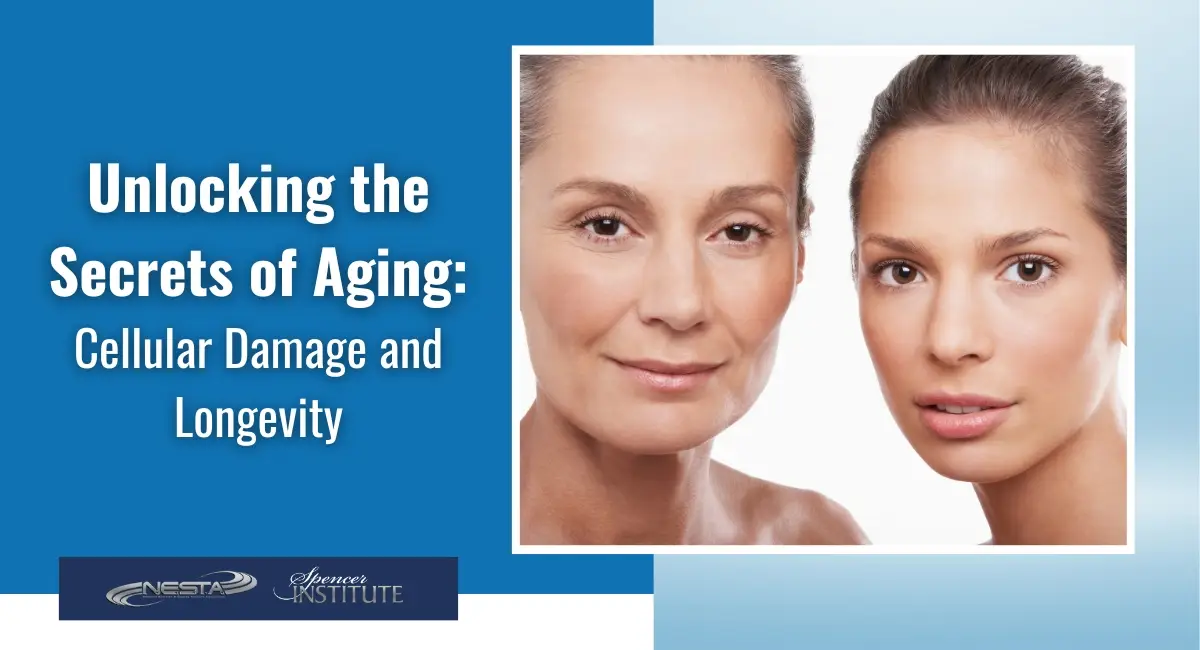
Unlocking the Secrets of Aging: The Intricate Web of Cellular Damage and Longevity
The quest for extending human lifespan and maintaining vitality has intrigued minds for centuries. In the modern era, advances in scientific understanding have unraveled the enigmatic connection between cellular damage and the aging process. This comprehensive report for coaches explores the microscopic world of cellular damage, its profound impact on aging, and the remarkable strategies that hold the potential to minimize its effects and potentially lead to a longer, healthier life.
The Cellular Blueprint: Aging Unveiled
At the core of human existence lie trillions of microscopic entities called cells, each intricately involved in maintaining the body’s overall functionality. The aging process unfolds when these fundamental units incur damage over time, a process that results in a decline in cellular function. This phenomenon eventually manifests itself at a larger scale in the form of aging.
Unraveling the Connection: Cellular Damage and Aging
- Telomere Shortening and Cellular Senescence: A key player in cellular aging is telomere shortening. Telomeres are protective caps located at the ends of chromosomes, and they undergo gradual shortening with each cell division. This ongoing process eventually triggers cellular senescence, a state in which cells lose their ability to divide and regenerate tissues, contributing to the aging process.
- Oxidative Stress and Free Radicals: The body’s exposure to external factors such as pollution, radiation, and even normal metabolic processes generates free radicals, which are highly reactive molecules. These free radicals cause oxidative stress, leading to damage in cellular components such as DNA, proteins, and lipids. Over time, this damage accumulates and contributes to the aging process and the development of age-related diseases.
- Mitochondrial Dysfunction: Mitochondria, often referred to as the powerhouses of cells, play a vital role in energy production. However, as cells age, mitochondria become less efficient in producing energy, resulting in the generation of increased levels of free radicals. This exacerbates oxidative stress, leading to further cellular damage and contributing to the aging process.
Clinical Insights: Linking Cellular Damage to Aging
- Telomere Length and Aging: Clinical studies have established a direct link between shortened telomeres and accelerated aging. Individuals with longer telomeres tend to experience better health and a potentially extended lifespan.
- Oxidative Stress and Inflammation: Elevated oxidative stress and chronic inflammation are closely associated with various aging-related diseases, including cardiovascular diseases, neurodegenerative disorders, and certain types of cancer.
- Mitochondrial Health and Longevity: Scientific research underscores the critical role of mitochondrial health in the aging process. Mitochondrial dysfunction contributes to cellular damage, which, in turn, accelerates the aging process. Enhancing mitochondrial function through lifestyle interventions has been shown to correlate with extended lifespan and improved vitality.
Strategies for Combatting Cellular Damage
- Telomere Maintenance: Adapting certain lifestyle changes, such as practicing stress management techniques, engaging in regular exercise, and consuming a diet rich in antioxidants, can help slow down the rate of telomere shortening. Specific supplements may also contribute to supporting telomere integrity.
- Antioxidant Defense: Incorporating antioxidant-rich foods into one’s diet, such as fruits, vegetables, nuts, and seeds, can help counteract oxidative stress by neutralizing free radicals.
- Mitochondrial Enhancement: Engaging in intermittent fasting, maintaining a regular exercise routine, and considering the supplementation of compounds like coenzyme Q10 can contribute to improving mitochondrial function and reducing oxidative stress within cells.
Future Frontiers: Emerging Research and Therapies
The scientific landscape continues to evolve, presenting exciting possibilities for addressing cellular damage and slowing the aging process. Innovations such as gene editing, stem cell therapies, and senolytics (compounds targeting senescent cells) hold promise for reversing cellular damage and ushering in a new era of longevity research.
The intricate dance between cellular damage and the aging process has been illuminated through exhaustive research and clinical studies. Armed with the knowledge of telomere shortening, oxidative stress, and mitochondrial dysfunction, individuals now have evidence-based strategies at their disposal to combat and potentially reverse cellular damage.
As science advances, the horizon of possibilities for unlocking a longer, healthier life continues to expand. By harnessing the power of targeted interventions, lifestyle modifications, and cutting-edge therapies, individuals can rewrite their aging narrative and embark on a journey toward not only increased lifespan but also a future of enhanced well-being and vibrancy.
If you are interested in the topic of human longevity and improving the quality of life through advanced years, you will also want to click over to learn how to become a Spencer Institute Certified Longevity Coach and build a thriving business serving your clients.
You will also want to consider professional training, certification, and career opportunities as a Certified Holistic Nutrition Coach, Certified Holistic Life Coach, Certified Master Health and Wellness Coach or Stress Management Coach.