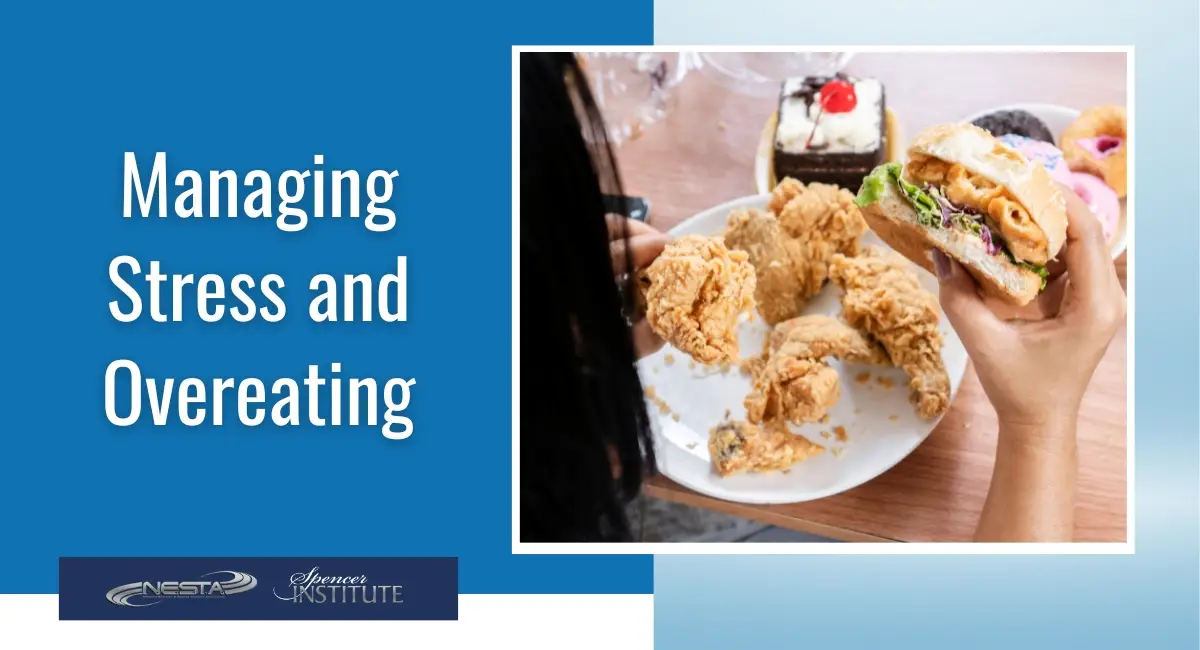
Emotional Eating and How to Stop It
In today’s fast-paced world, stress has become an inevitable part of our lives. From demanding work schedules to personal challenges, stress can manifest in various ways, affecting our mental and physical well-being. One such manifestation is overeating, which often occurs as a coping mechanism to deal with stress.
Why Do I Overeat When Stressed?
The connection between stress and overeating is a multifaceted phenomenon that involves a complex interplay of biological, psychological, and behavioral factors. When stress is experienced, the body responds by releasing cortisol, often referred to as the “stress hormone.” Cortisol has been found to play a significant role in appetite regulation, particularly in promoting the consumption of comfort foods high in sugar, fat, and salt.
One study examined the relationship between chronic stress and abdominal fat accumulation. The researchers found that individuals experiencing chronic stress had higher levels of abdominal fat, which is associated with an increased risk of cardiovascular disease and other metabolic disorders. They also discovered that the higher levels of abdominal fat were specifically linked to cortisol release in response to stress.
Additionally, stress can influence our decision-making processes, leading to impulsive and emotionally-driven choices, including overeating. When under stress, the brain’s reward centers, such as the amygdala, become more active, increasing the desire for pleasurable and comforting experiences. This can lead to seeking solace in food as a means of temporary relief or emotional comfort.
Moreover, stress can disrupt our normal eating patterns and routines. It can disrupt hunger and satiety cues, making it more challenging to recognize genuine physical hunger versus emotional or stress-induced hunger. This can result in mindless or unconscious eating, where individuals consume food without being fully aware of their level of hunger or satisfaction.
Understanding the complex mechanisms underlying the stress-overeating connection is crucial in developing effective strategies to break the cycle and establish healthier coping mechanisms.
Recognizing Emotional Eating
Emotional eating often accompanies stress, as food can provide temporary relief and a sense of comfort. Identifying emotional eating patterns is crucial in breaking the cycle of stress-induced overeating. If you find yourself reaching for food when you’re not physically hungry but rather seeking comfort, solace, or distraction from stress, it’s likely emotional eating at play.
Strategies to Prevent Overeating During Stressful Times:
- Mindful Awareness: Practicing mindfulness can help you become aware of your emotions and the triggers that lead to overeating. Pause before reaching for food and ask yourself if you’re genuinely hungry or simply seeking emotional comfort. Engage in deep breathing exercises or meditation to center yourself and make conscious choices.
- Stress Management Techniques: Finding healthy ways to manage stress can significantly reduce the likelihood of overeating. Engage in activities like exercise, yoga, or meditation, which release endorphins and alleviate stress. Experiment with stress-relief techniques to discover what works best for you, whether it’s journaling, listening to music, or spending time in nature.
- Build a Support System: Reach out to friends, family, or a support group to share your feelings and concerns. Having someone to lean on during stressful times can provide emotional support and prevent the tendency to turn to food for comfort. Surround yourself with individuals who understand your goals and can provide encouragement and accountability.
- Create a Healthy Environment: Stock your pantry and refrigerator with nutritious foods that support your well-being. Remove tempting, high-calorie snacks from your surroundings, as they can be triggers for stress-induced overeating. Prepare meals in advance, focusing on balanced portions of vegetables, lean proteins, and whole grains to support your nutritional needs.
- Stress Reduction Techniques: Incorporate stress reduction techniques into your daily routine to proactively manage stress levels. Regular exercise, deep breathing exercises, progressive muscle relaxation, or engaging in hobbies can all help reduce stress and promote a sense of calm. Find activities that bring you joy and make them a priority, allowing you to channel your energy away from stress and into fulfilling pursuits.
- Seek Professional Help: If stress and overeating have become chronic and are significantly impacting your quality of life, consider seeking professional help. Stress management professionals can provide guidance and support to address underlying emotional issues that contribute to overeating.
The connection between overeating and stress is a common challenge faced by many individuals. By understanding this relationship and implementing effective strategies, you can regain control over your eating habits and manage stress in a healthier way. Remember, prevention is key, and by prioritizing your well-being, you can achieve a balanced lifestyle that supports both physical and mental health. Embrace the power to break free from stress-induced overeating and nurture a harmonious connection between your mind, body, and food choices.
Stress Management and Nutrition Resources
If this topic interests you or you have a friend or family members who would be interested, our stress management coaching program is ideal for anyone wanting to learn more about decreasing their levels of stress or wanting to help others with stress management.
You may also consider enrolling in specialized courses such as the Personal Fitness Chef program, which will equip you with culinary skills to create delicious and healthy options. Additionally, exploring courses like the Holistic Nutrition Coach and Wellness Coach programs will provide you with a comprehensive understanding of nutrition principles and holistic approaches to wellness.
If you have any questions about this topic or others, or you would like to learn more about our other programs, please let us know. You can give us a call or send an email to cs@nestacertified.com
Thanks for reading!