

What is the Fastest Way to Heal Gut Microbiome?
Gut health is an essential aspect of overall wellness. The gut, which includes the stomach, intestines, and colon, is responsible for digestion, absorption of nutrients, and elimination of waste products. However, the gut is also home to a vast ecosystem of microorganisms, collectively known as the gut microbiome. The gut microbiome plays a crucial role in regulating the immune system, metabolism, and overall health. Therefore, maintaining a healthy gut is crucial to promote overall wellness and preventing chronic diseases. This lesson will discuss the different aspects of gut health, including the microbiome, supplements, leaky gut syndrome, reducing inflammation, microbiome testing, and taking probiotics with antibiotics.
This topic is a key component of the Spencer Institute Integrative Health Coach Certification course.
The Microbiome
The gut microbiome is a complex ecosystem of microorganisms, including bacteria, viruses, fungi, and protozoa, that reside in the gut. The gut microbiome plays a crucial role in regulating the immune system, metabolism, and overall health. The gut microbiome is involved in the breakdown of food, absorption of nutrients, and production of essential vitamins and minerals.
The gut microbiome is also involved in regulating the immune system. The gut is the largest immune organ in the body, and the gut microbiome plays a crucial role in modulating the immune response. The gut microbiome is involved in the production of cytokines, which are signaling molecules that regulate the immune response. Therefore, a healthy gut microbiome is essential for maintaining a healthy immune system.
The gut microbiome is also involved in regulating metabolism. The gut microbiome is involved in the breakdown of food, absorption of nutrients, and production of essential vitamins and minerals. The gut microbiome is also involved in regulating energy balance and fat storage. Therefore, a healthy gut microbiome is essential for maintaining a healthy metabolism. Here is an additional in-depth article on the gut biome covering this topic from additional perspectives.
Supplements
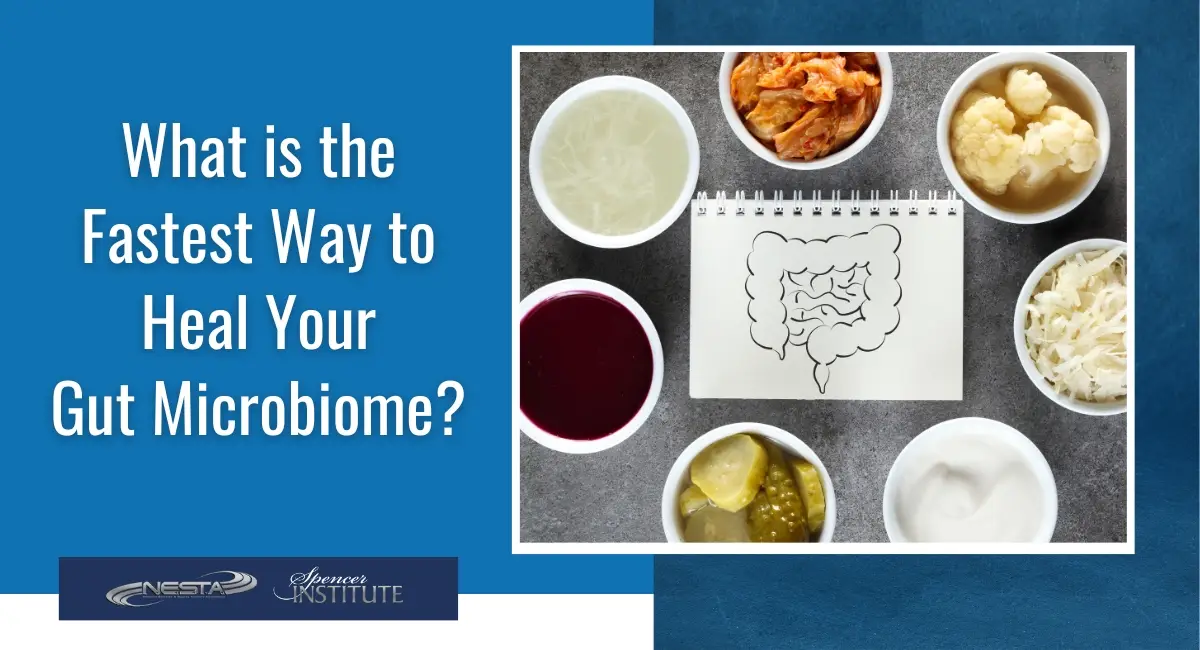
There are several supplements available that can help improve gut health. Probiotics are one of the most popular supplements for gut health. Probiotics are live microorganisms that provide health benefits when consumed in adequate amounts. Probiotics are commonly found in fermented foods like yogurt, kefir, and sauerkraut.
Prebiotics are another type of supplement that can help improve gut health. Prebiotics are non-digestible fibers that promote the growth of beneficial bacteria in the gut. Prebiotics are commonly found in fruits, vegetables, and whole grains.
Digestive enzymes are another type of supplement that can help improve gut health. Digestive enzymes are produced by the body to break down food into nutrients. However, some people may not produce enough digestive enzymes, which can lead to digestive issues. Digestive enzyme supplements can help improve digestion and nutrient absorption.
Leaky Gut Syndrome
Leaky gut syndrome, also known as intestinal permeability, is a condition in which the lining of the intestines becomes more permeable, allowing toxins and other substances to leak into the bloodstream. This can lead to a range of symptoms, including digestive problems, food sensitivities, and autoimmune disorders.
Causes of Leaky Gut Syndrome:
- Diet: A poor diet that is high in sugar, processed foods, and refined carbohydrates can damage the lining of the intestines and contribute to leaky gut syndrome.
- Medications: Certain medications, such as nonsteroidal anti-inflammatory drugs (NSAIDs), antibiotics, and steroids, can disrupt the gut microbiome and increase the risk of leaky gut syndrome.
- Chronic stress: Chronic stress can lead to an imbalance in the gut microbiome, inflammation, and damage to the intestinal lining.
- Infections: Certain infections, such as candida overgrowth and small intestine bacterial overgrowth (SIBO), can contribute to leaky gut syndrome.
- Environmental toxins: Exposure to environmental toxins, such as pesticides, heavy metals, and mold, can damage the intestinal lining and increase the risk of leaky gut syndrome.
Treatments for Leaky Gut Syndrome:
- Dietary changes: A diet that is rich in whole, unprocessed foods, and low in sugar and refined carbohydrates can help heal the gut lining and reduce inflammation.
- Probiotics: Probiotics are beneficial bacteria that can help restore balance to the gut microbiome and improve gut health.
- Digestive enzymes: Digestive enzymes can help improve the digestion and absorption of nutrients, reducing the load on the gut and promoting healing.
- Supplements: Certain supplements, such as glutamine, zinc, and vitamin D, can help heal the gut lining and reduce inflammation.
- Stress management: Practicing stress management techniques, such as meditation, yoga, and deep breathing, can help reduce the impact of chronic stress on the gut.
- Addressing underlying infections: Addressing underlying infections, such as candida or SIBO, can help reduce inflammation and heal the gut lining.
- Avoiding environmental toxins: Reducing exposure to environmental toxins, such as pesticides and heavy metals, can help protect the gut lining and reduce the risk of leaky gut syndrome.
Reducing Inflammation
Inflammation is a natural response of the immune system to infection or injury. However, chronic inflammation can lead to several chronic diseases, including cancer, heart disease, and diabetes. Therefore, reducing inflammation is crucial for maintaining overall health.
There are several ways to reduce inflammation. One of the most effective ways is through diet. A diet rich in fruits, vegetables, whole grains, and healthy fats can help reduce inflammation. Foods that are high in sugar, saturated fats, and processed foods can increase inflammation. Here is some additional reading on the topic of the best foods to reduce inflammation.
Exercise is another effective way to reduce inflammation. Exercise can help reduce inflammation by improving blood flow and reducing oxidative stress. Regular exercise can also improve gut health by promoting the growth of beneficial bacteria in the gut.
Stress management is another effective way to reduce inflammation. Chronic stress can lead to the release of stress hormones, which can increase inflammation in the body. Therefore, stress management techniques like meditation, yoga, and deep breathing can help reduce inflammation and promote overall health.
Microbiome Testing
Microbiome testing is a process of analyzing the composition and diversity of microorganisms in the gut. Microbiome testing can provide valuable insights into the health of the gut microbiome and help identify imbalances that may be contributing to chronic diseases. Microbiome testing can also help identify the specific strains of bacteria that are present in the gut and their potential health benefits.
There are several companies that offer microbiome testing services, including uBiome, Thryve, and Viome. Microbiome testing typically involves collecting a stool sample and sending it to a laboratory for analysis. The results of the microbiome testing can be used to develop personalized dietary and lifestyle interventions to improve gut health.
Taking Probiotics with Antibiotics
Antibiotics are medications that are used to treat bacterial infections. However, antibiotics can also kill beneficial bacteria in the gut, leading to imbalances in the gut microbiome. Therefore, taking probiotics with antibiotics can help maintain a healthy gut microbiome and prevent the development of antibiotic-associated diarrhea.
Several studies have found that taking probiotics with antibiotics can reduce the risk of antibiotic-associated diarrhea. However, not all probiotics are equally effective, and the specific strains of probiotics that are most effective may vary depending on the individual and the type of antibiotic being used.
You can now enjoy a personally-enriching and financially-rewarding career helping people optimize gut health.
The top certifications for this career include the following:
Integrative Health Coach Certification
Master Health and Wellness Coach Certification
Stress Management Coach Certification
Wellness Coach Certification
There is some additional reading on the topic of keeping your digestive system healthy.
References:
- Sonnenburg JL, Backhed F. Diet-microbiota interactions as moderators of human metabolism. Nature. 2016;535(7610):56-64.
- Collins SM, Surette M, Bercik P. The interplay between the intestinal microbiota and the brain. Nat Rev Microbiol. 2012;10(11):735-742.
- Marchesi JR, Adams DH, Fava F, et al. The gut microbiota and host health: a new clinical frontier. Gut. 2016;65(2):330-339.
- Guarner F, Malagelada JR. Gut flora in health and disease. Lancet. 2003;361(9356):512-519.
- O’Mahony SM, Clarke G, Borre YE, Dinan TG, Cryan JF. Serotonin, tryptophan metabolism and the brain-gut-microbiome axis. Behav Brain Res. 2015;277:32-48.
- McFarland LV. Use of probiotics to correct dysbiosis of normal microbiota following disease or disruptive events: a systematic review. BMJ Open. 2014;4(8):e005047.
- Gibson GR, Hutkins R, Sanders ME, et al. Expert consensus document: The International Scientific Association for Probiotics and Prebiotics (ISAPP) consensus statement on the definition and scope of prebiotics. Nat Rev Gastroenterol Hepatol. 2017;14(8):491-502.

