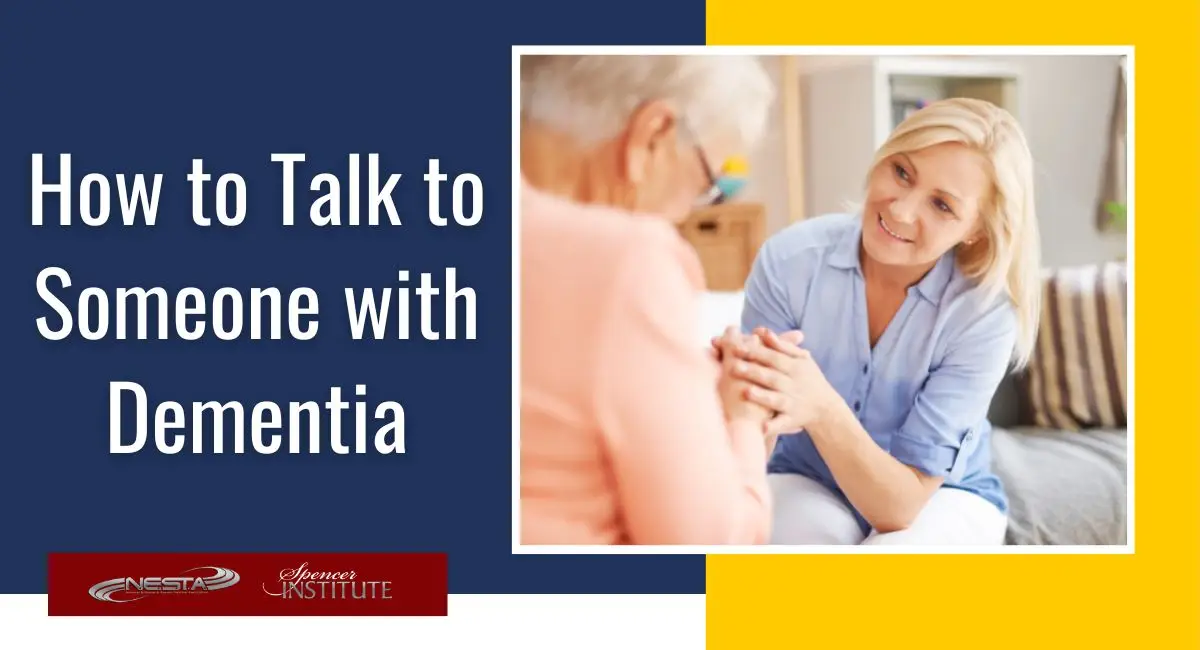
 You may be a concerned family member, medical professional, health coach, brain coach, or wellness expert. Regardless, you will want to have a detailed understanding of the most effective improving communication methods when working with someone with dementia. Improving communication will make the person with this medical condition feel better, it will strengthen your bond with them, and show more compassion.
Dementia is a common condition among the elderly that affects their cognitive abilities, including memory, language, and decision-making skills. It is an all-too-common degenerative disease that affects the brain and gradually worsens over time. Yet, you can be a catalyst to slow its progression. Understanding the difference between the “brain” and the “mind” is a good place to start.
A review of the brain’s anatomy and physiology is also helpful.
Effective communication with people who have dementia can be challenging, but it is essential to maintain their quality of life. The intent of this lesson is to explore effective communication strategies for people with dementia, including examples and clinical studies. You will learn many effective strategies for maintaining cognition, and slowing the progression of dementia, as part of your professional education in the Spencer Institute Brain Fitness Coach Certification Course.
Communication Challenges for People with Dementia and What a Brain Fitness Coach Can Do About It
Dementia affects the brain’s ability to process information and recall memories, which can lead to communication challenges. People with dementia may have difficulty expressing themselves or understanding others’ speech. They may also struggle to find the right words or forget what they were trying to say mid-sentence. These challenges can lead to frequent frustration and isolation for people with dementia, which can negatively impact their quality of life and self-worth.
Effective Communication Strategies for People with Dementia
There are several effective communication strategies that can be used to communicate with people who have dementia.
Using simple language: People with dementia may have difficulty processing complex sentences, so it is essential to use simple language when communicating with them. This means using short, concise sentences that are easy to understand. Shorter is almost always better.
Speak slowly and clearly: Speaking slowly and clearly can help people with dementia understand what is being said. It also gives them more time to process the information and respond. Pausing is a good thing. They become more confident in how to respond.
Use nonverbal cues: Nonverbal cues, such as facial expressions and body language, can help people with dementia understand what is being said. For example, smiling or nodding can indicate agreement or understanding. Let your facial expressions and body movement further express your thoughts and intentions.
Be patient: People with dementia may take longer to process information and respond, so it is essential to be patient when communicating with them. Rushing them or becoming frustrated can cause anxiety and make communication even more challenging. You will want to focus on your own breathing. Stay as relaxed as possible.
Avoid distractions: Distractions, such as background noise or a cluttered environment, can make it harder for people with dementia to focus on the conversation. It is important to eliminate any distractions to ensure effective communication. Turn off the TV, and lower the volume on the radio. Consider moving to a quieter environment to communicate.
Here are some additional ways to stimulate an aging brain.
What are Some Examples of How to Speak with People with Dementia, Alzheimer’s, and other Related Cognitive Decline?
Example 1: Using Simple Language – A caregiver is helping an elderly woman with dementia get dressed in the morning. The caregiver says, “Okay, let’s get you ready for the day. First, we need to put on your pants, then your shirt.” The elderly woman becomes confused and does not know what to do. The caregiver realizes the woman is having difficulty understanding and says, “Let’s get you dressed. First, we need to put on your pants, then your shirt.” The elderly woman understands and begins to get dressed.
Example 2: Speaking Slowly and Clearly – A family member is visiting their grandfather who has dementia. The family member says, “How was your day, Grandpa? Did you go for a walk?” The grandfather becomes confused and does not respond. The family member realizes they spoke too quickly and repeats themselves, “How was your day, Grandpa? Did you go for a walk?” The grandfather responds, “Yes, I went for a walk.”
Example 3: Using Nonverbal Cues – A caregiver is helping an elderly man with dementia eat his lunch. The caregiver says, “Here’s your soup, it’s hot.” The elderly man looks confused and does not respond. The caregiver realizes the man may not understand and smiles while holding the soup spoon up to the man’s mouth. The elderly man understands and begins to eat. You can also use body language to further exemplify that it is hot.
What Do Clinical Studies Indicate about Speaking to Those with Dementia?
Over the years, numerous clinical studies have explored various strategies for communicating with people with dementia.
- Validation Therapy: This approach, developed by Naomi Feil, involves acknowledging the feelings and emotions expressed by the person with dementia, even if they are not entirely based on reality. Validation Therapy aims to create a sense of trust and connection with the person and reduce anxiety and frustration. We all want validation in one way or another.
- Reminiscence Therapy: This therapy involves discussing past events and experiences, using photographs, music, and other sensory aids to help people with dementia remember positive memories. Studies have shown that reminiscence therapy can improve mood, cognitive function, and communication in people with dementia. You may start with times/places they want to discuss, then move on to other events.
- Montessori-Based Activities: This approach involves providing activities that are tailored to the person’s interests and abilities, using a structured, multi-sensory approach. Studies have shown that Montessori-based activities can improve communication, engagement, and quality of life in people with dementia.
- Music Therapy: Music therapy involves using music to stimulate the brain, improve mood, and reduce agitation in people with dementia. Studies have shown that music therapy can improve communication, socialization, and cognitive function in people with dementia. We all can remember music better than words in many cases. We can sing along with a song, but often forget dialog with no music.
- Multisensory Stimulation Therapy: This therapy involves using sensory stimuli such as light, sound, touch, and smell to engage people with dementia and promote relaxation and well-being. Studies have shown that multisensory stimulation therapy can improve communication, mood, and behavior in people with dementia. The more senses that are involved, the deeper the recall and neuro-association.
These clinical studies highlight the importance of individualized and person-centered approaches to communication with people with dementia. By understanding the unique needs and preferences of each person, caregivers can tailor their approach and improve communication, engagement, and quality of life for people with dementia. Patience, understanding, and consistency are key.
Here are some additional ways to improve a client’s brain fitness.
Maintaining or improving language skills for someone with dementia can be challenging, but there are several strategies that caregivers and family members can use to support language skills in people with dementia.
Here are some proven methods:
- Encourage Communication: Encourage the person with dementia to communicate in whatever way they can, whether it’s through speech, gestures, or facial expressions. Provide a wide range of opportunities for them to interact with others and express their thoughts and feelings.
- Use Simple Language: Speak in simple, clear language, using short sentences and avoiding complex words or phrases. This can help the person with dementia better understand what is being said and respond more effectively. And the same is true for notes. Keep it short and concise.
- Repeat and Clarify: If the person with dementia does not understand what is being said, try repeating the message in a different way or using visual aids to help clarify the meaning. You might get frustrated, but they will likely appreciate it.
- Use Visual Aids: Visual aids such as pictures, videos, objects, props, or written cues can help people with dementia understand and communicate more effectively.
- Read Aloud: Reading aloud to someone with dementia can help improve their language skills and provide a source of stimulation and enjoyment.
- Singing and Music: Listening to or singing songs can help improve language skills, as well as provide emotional stimulation and a sense of connection.
- Speech Therapy: Speech therapy can be beneficial for people with dementia, especially in the early stages when communication skills are still intact. A speech therapist can provide exercises and techniques to improve language skills and make communication easier. Although this can be done to some degree by many caregivers, it is most likely facilitated by a speech pathologist.
It’s important to note that maintaining language skills for someone with dementia will require ongoing effort and patience from caregivers and family members. By using these strategies and staying engaged with the person with dementia, it is possible to help maintain their communication abilities and improve their quality of life.
The certification programs which will serve you best for this topic are the following:
Certified Brain Fitness Coach
Certified Sleep Science Coach
Certified Master Health and Wellness Coach
Certified Stress Management Coach