

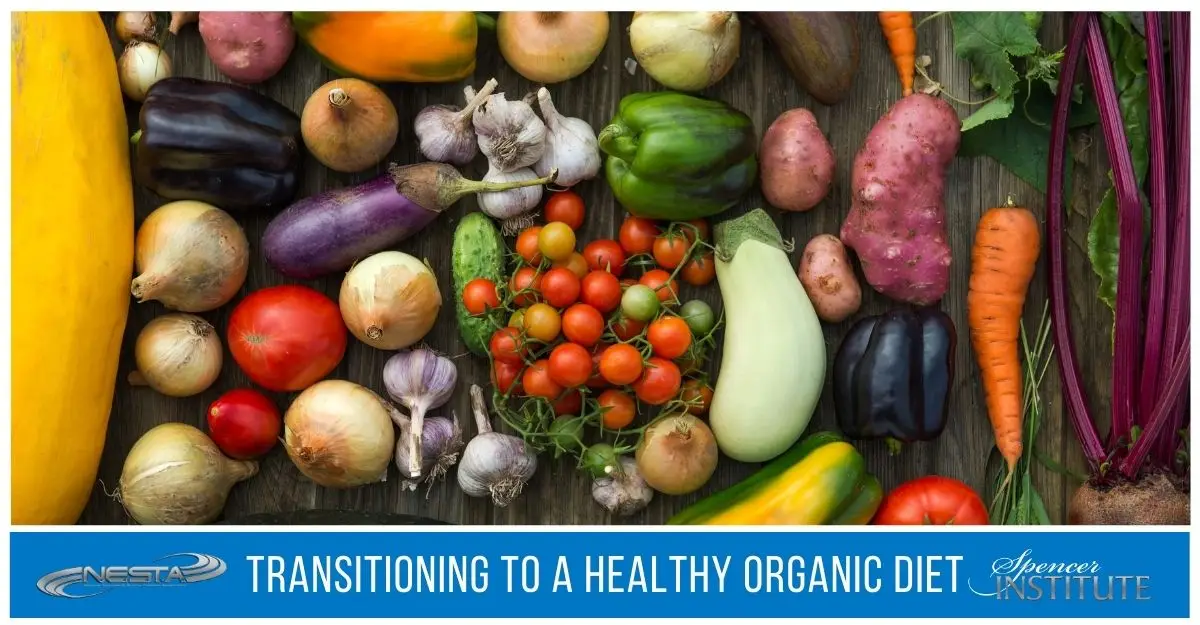
Transitioning to a Healthy Organic Diet
If you want your client to actually create lasting changes in their quest to live healthily we have to push for them to be honest with themselves. Only then can positive changes begin to take hold.
At times, our clients say that they are not aware of what they need to do in order to make changes. This isn’t new in coach-client relationships. But at the root of this thinking is a benign type of ignorance that we all have. What if you were to ask a client to answer the following question as part of their assessment: “What am I pretending not to know?”
This direct and honest question can get things started. You can be more efficient if you can cut through the unknown factors and dive into understanding why knowledge and awareness are being ignored. Have clients think of ways to apply this to every aspect of their life, beginning with health behaviors and food choices. This allows your client to take full responsibility for, and control of, their efforts to live a green and holistic life.
What Are You Really Eating?
Asking yourself: “What am I pretending not to know when it comes to the food I consume on a daily basis?” If you need help with this question, start opening your cupboards and refrigerator.
Are there large amounts of prepackaged foods, drinks, and sweets that are loaded with chemicals, preservatives, sugars, fats and sweeteners? Examine the so-called healthy protein bars you buy, as well as prepackaged diet meals and drinks and sodas (they are usually loaded with chemicals and preservatives) that may not be as healthy as you think.
Next, they should take a good look at their grocery receipts. How much do you spend on these types of foods?
Once you’ve completed this assessment, have your clients write down how they feel about their current eating habits. Do they support a healthy lifestyle—one that’s going to promote longevity and build a healthy immune system that’s capable of fighting off serious diseases and illnesses?
If you’re client is a parent (or wants to become one), ask them to consider whether their current eating habits support a healthy, long life for them and their children and grandchildren. If there are some habits that require change, your clients should write them down.
Listing their old habits and then replacing them with the new habits they are adopting. Clients can write the new habit in the present tense, as though they have already started doing it. For example, your client may be lacking in their consumption of fruits and vegetables. Write down the habit, and then add suggestions for healthy, organic options.
As a motivational strategy, ask your client what the benefits of adopting these habits are as being behaviors that can be shared with an entire family and passed down for later generations to follow. Everything they can improve today will have an ongoing effect on their future – and ther family’s as well.
Organic Shopping Tips
Now that your client has begun to make gains in the awareness factors for some of their habits, there may be an opportunity to share some realistic shopping tips to get your client started on the conversion of their diet to include all-organic (or as much as possible).
Food items—something you buy on a regular basis, can be swapped for an organic option going forward. If you’ve been successful in persuading your client of the benefits of going organic, this will be less of a challenge for you and easier for your client to come around to accept.
Have your client list their favorite foods and then strategize where organic variations could be considered. We’re not trying to make everyone eat perfectly; it’s more than an individual aspect. It’s a global green effort we’re adding to with our efforts
Start small. Don’t overwhelm your client or bombard them with commands about what to buy or what they are currently buying that may not be part of a perfect plan. But for their next shopping trip, have them walk through the organic food sections of your market to get to know which products are available, what the costs are, and ponder substitutions.
Have them make notes and discuss their comments when you consult with them after their store visit. It might also help to direct your client to find out if their store has a private generic organic label and/or “natural” brand. Many times, store brands can less expensive than their major-label counterparts. If your client can’t tell the difference it will be even easier for them to switch.
You may want to start by encouraging your client to experiment, buying their favorite treats from the organic aisle. If you’re client is a coffee or tea drinker, start buying organic brands, and make these beverages at home instead of buying them in coffee shops.
If you make hot beverages at the office, bring the products you’ve purchased to work and share them with your friends to expose them to the organic options in a casual manner so that you don’t feel like the only person trying to make an effort to change or support green living lifestyles.
Another option is to suggest shopping at local farmers’ markets. Furthermore, if your client can be persuaded to generate a shopping list prior to shopping, this can keep them on point, focused and less likely to buy impulsively.
Getting Started
Learn more about becoming a Certified Holistic Living Coach here >>> https://spencerinstitute.com/certification-programs/holistic-life-coach-certification/
Becoming a Certified Wellness Coach is the perfect addition for the fitness professional who wants to offer more all-inclusive wellness services to clients. The time is now for you to enjoy this exciting and rewarding career, which offers you personal fulfillment while improving the lives of others.
Our programs are open to anyone with a desire to learn and help others. There are no prerequisites.
That’s it for now.
Take action!
PS: Click here to see many helpful business/career resources

